Hey everyone, Joey here.
[p align="start"]We spend a lot of time talking about what’s changing in Tyr. Today, we want to talk about how we decide what to change.[p align="start"]I recently sat down with Veigar Bouius, Co-Founder and Product Director at Stoke Games, to talk through some questions we’ve been seeing from the community. What does a balanced game actually look like? Why not just nerf the strongest thing? And how do we make sense of it when player feedback and win rates seem to disagree?[p align="start"]I’m handing this one over to Veigar to walk through how he thinks about those questions, with a few examples you’ll probably recognize.Over to Veigar...
What does balance look like in Tyr, and how do we consider and make changes?
Balance means having more viable choices
[p align="start"]I think the underlying goal of balance isn’t always well understood or talked about.[p align="start"]A common (and perhaps misconceived) way to think about it is that a game is balanced when all its options are equally powerful. That idea is useful, but it also has a danger: you start taking a sledgehammer to anything that stands out.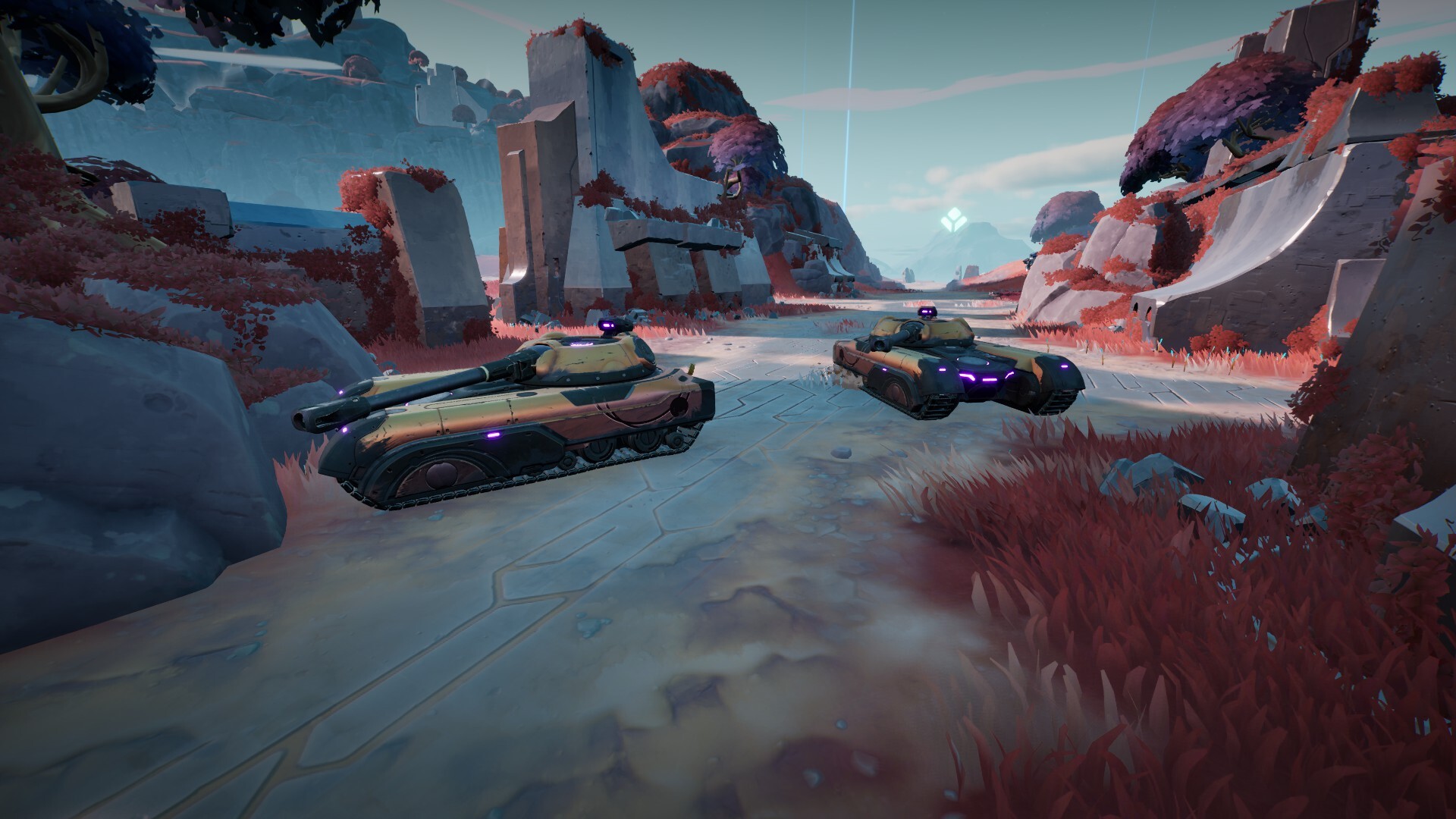
A tank should keep the thing that makes it interesting
[p align="start"]When we look at a tank that might be too strong, we start with what its strengths and weaknesses are supposed to be.[p align="start"]Are its weaknesses pronounced enough? Can opponents punish it through those weaknesses? If those look appropriate, is there power elsewhere that the tank doesn’t really need to fulfill its role?[p align="start"]Atlas is a good example.[p align="start"]You look at Atlas, and your first read is that this thing is a brick. It’s the quintessential super-heavy tank. Its armor should be a defining strength, and penetrating it from the front should be difficult.[p align="start"]That’s also the thing that can feel most obviously overpowered when you’re fighting it. You shoot the front, you can’t penetrate it, and you think: other heavy tanks don’t get to do this. Why does Atlas?[p align="start"]But if we make that frontal armor porous, Atlas starts resembling other heavy tanks, except it’s slower. Why would you bring it?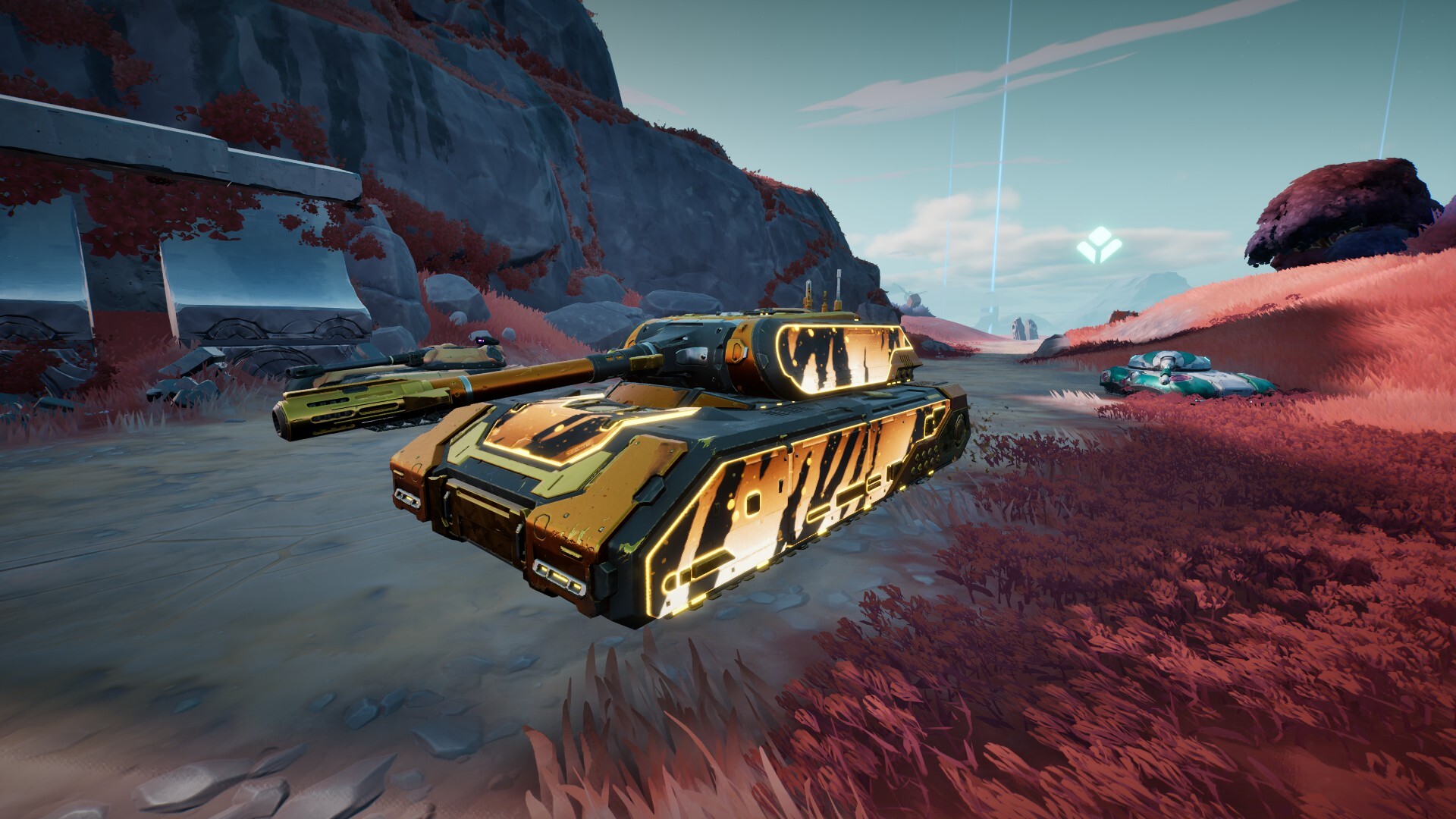
Alecto, Weakness Analyzer, and being too slow
[p align="start"]At this point, I think it’s fair to say we were too slow on Alecto.[p align="start"]The useful question is why.[p align="start"]Historically, Alecto wasn’t competitive. We had players asking for substantial changes because they didn’t think its design would ever have a place in competitive play.[p align="start"]That was disappointing because it had a lot going for it. It was fun, skill-expressive, and exciting to watch. People wanted to play it more seriously.[p align="start"]So when it started showing up in ranked and tournaments, that was exciting. After a long period of players asking for it to be viable, we didn’t want to immediately knock it back out.[p align="start"]Then the question became whether it had gone too far, and what was causing that.[p align="start"]Was it Weakness Analyzer? Siphon Shells? Hover tilting and ridge-peeking? Its interaction with mines? Armor that was unexpectedly effective against HE?[p align="start"]There were several things to investigate, and some were bugs we could address directly.[p align="start"]Components make this more complicated because they’re shared across the roster. If one tank has an unhealthy interaction with a component, we’d prefer to fix that interaction without damaging all the other interesting things players are doing with it.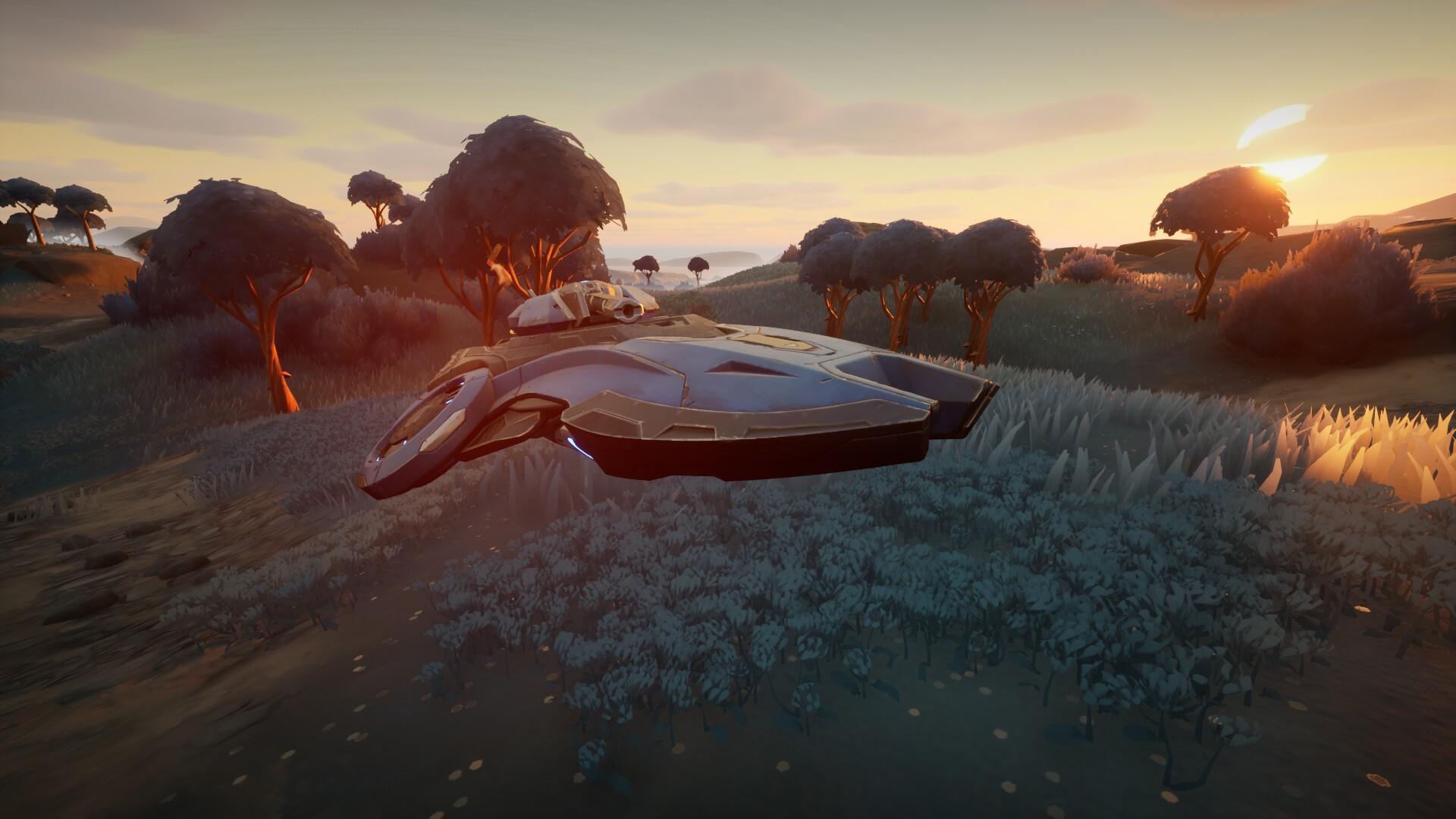
The interactions are part of the game
[p align="start"]You could reasonably ask why we create these complicated interactions in the first place.[p align="start"]Why have components that are much better on some tanks than others? Why use flat bonuses when percentage bonuses could make their effects more consistent?[p align="start"]Because finding those interactions is part of playing Tyr.[p align="start"]There’s a good moment when you understand a component, think about another tank, and realize: wait, this could work really well on that.[p align="start"]We want you to have that moment. Theorycrafting, testing a build, and finding a useful synergy should feel rewarding.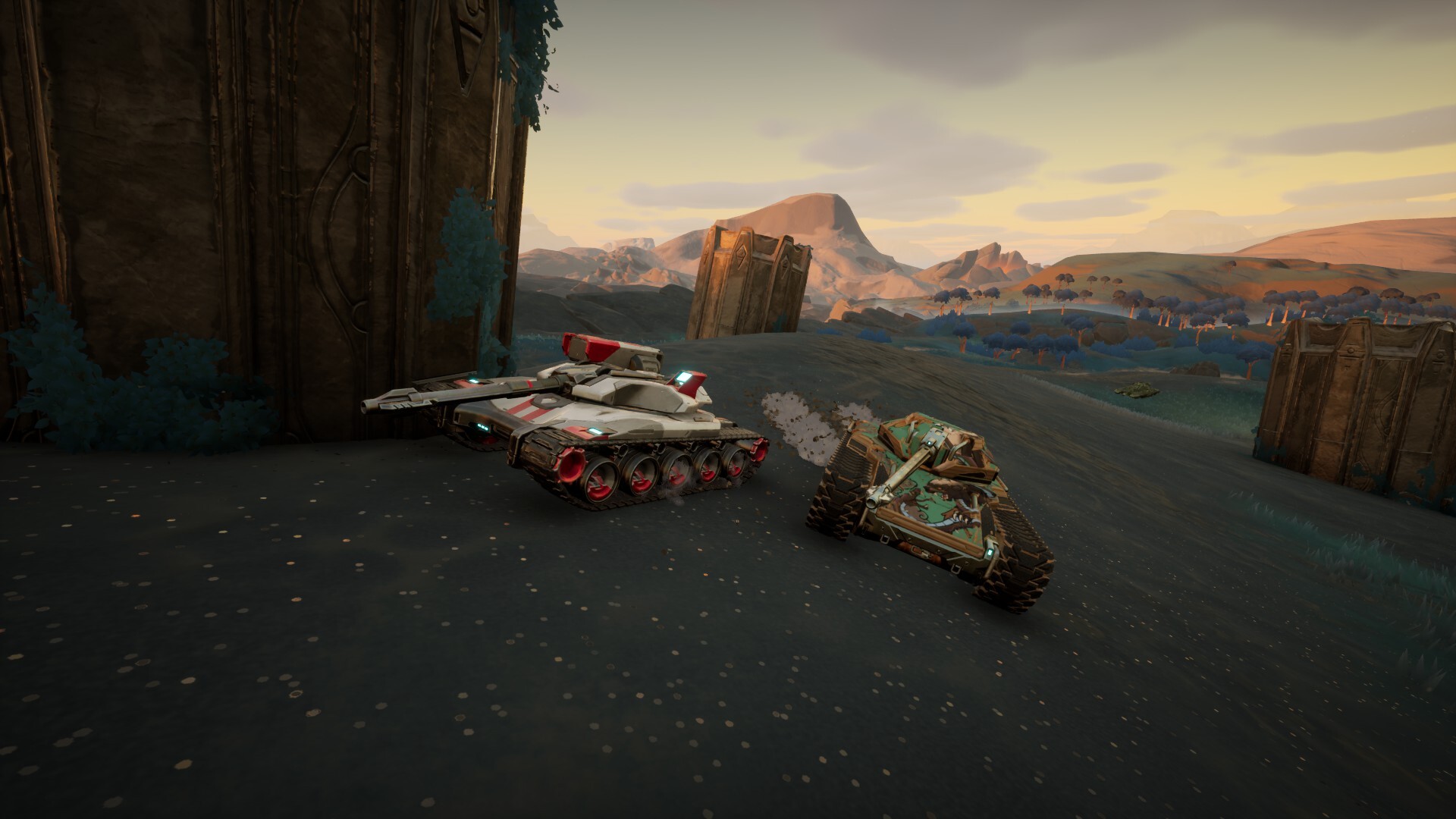
Win rates, player feedback, and playing the game ourselves
[p align="start"]We use three main inputs when making balance decisions: metrics, player feedback, and our own experience playing.[p align="start"]Each tells us something useful. Each also has shortcomings.[p align="start"]Metrics are arguably the most objective, but they can be incomplete.[p align="start"]Our starter tanks tend to have lower win rates because new players use them. Alpha tanks tend to have higher win rates because our most experienced players have access to them.[p align="start"]Knowing that doesn’t tell us exactly how large those effects are. If an alpha tank has an above-average win rate, is it too strong, or is that the player population? Could it even be underpowered relative to the experience of the people using it?[p align="start"]We also see mismatches between results and how something feels. Heavy tanks can have higher win rates while heavy-tank players tell us they feel ineffective and spend their matches getting peppered by shots.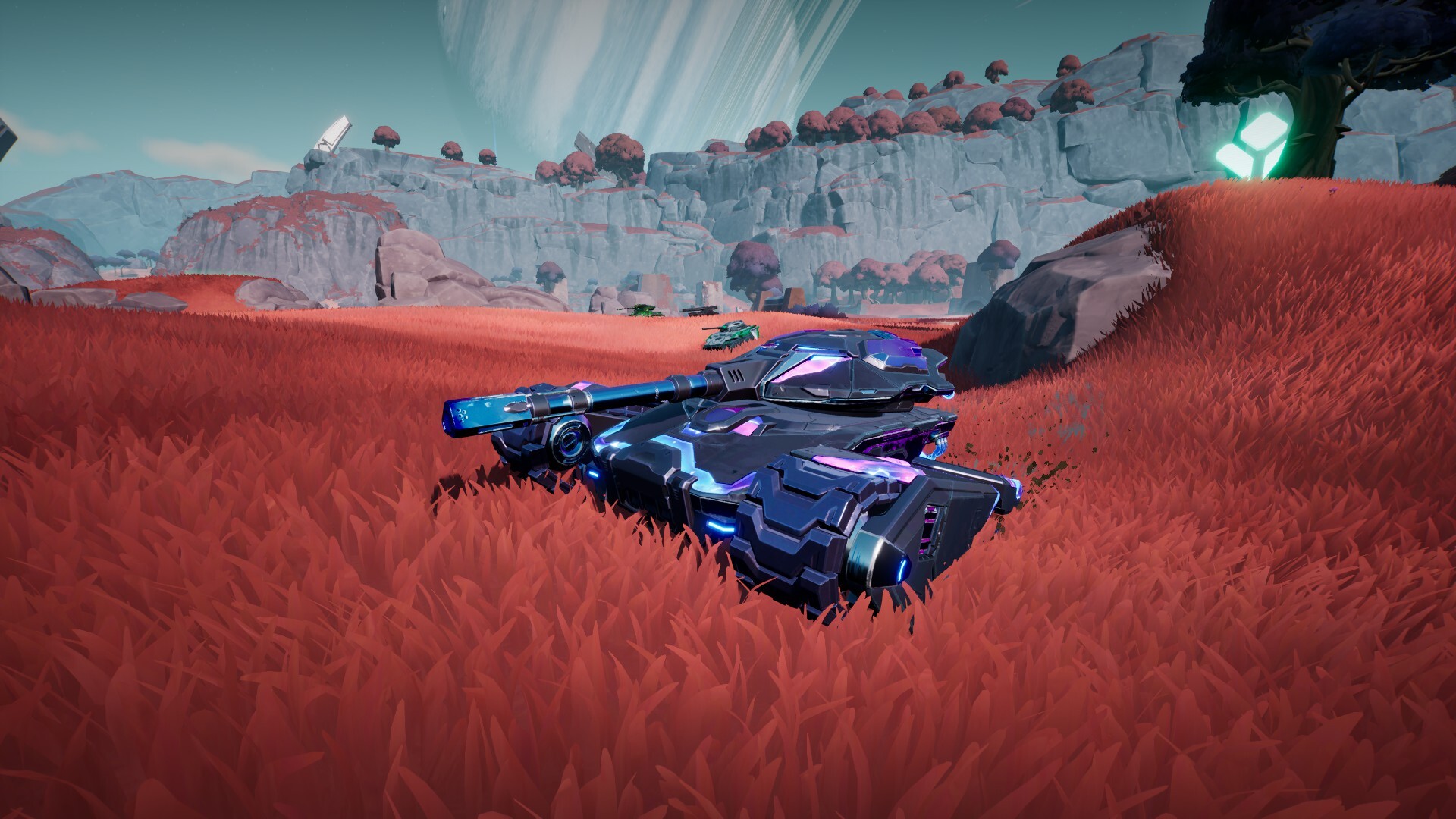
Balance and new content happen alongside each other
[p align="start"]We also get questions about how balance work fits alongside new tanks, maps, and other features.[p align="start"]Right now, those things happen in parallel.[p align="start"]We’re reading feedback, playing, planning changes, testing them, and evaluating what happens after they go live. We’re also making new tanks and maps.[p align="start"]For new tanks, the bottleneck isn’t design. It’s the art time needed to bring them into the game. Moving more design time onto tanks wouldn’t automatically get them finished sooner.[p align="start"]Bigger changes to the scope of the game are a different question. Think stuff like additional game modes.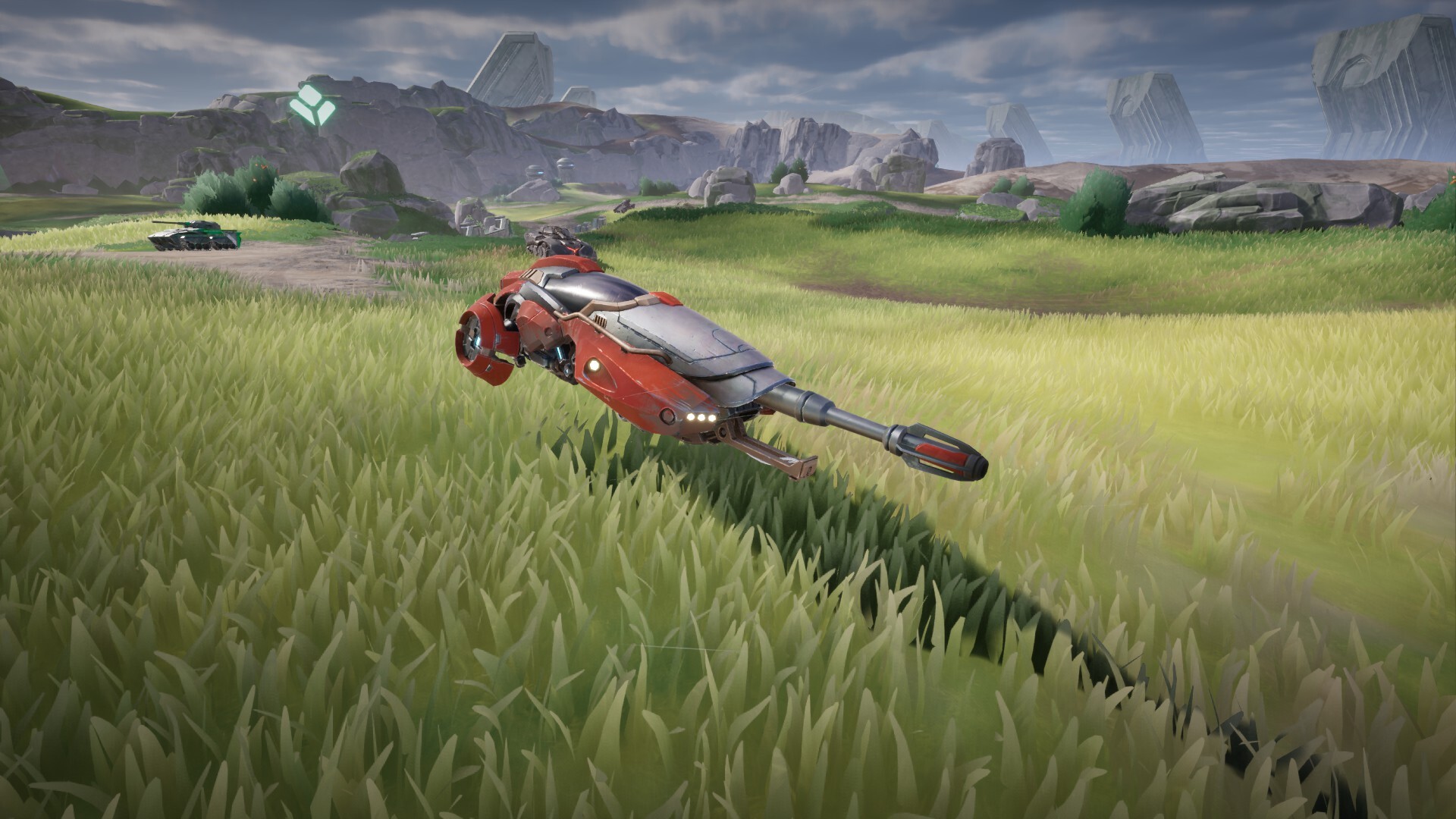
Bring your ideas to the Balance Assembly
[p align="start"]All of this is also why we introduced the Balance Assembly.[p align="start"]We want to understand which balance changes matter most to you, and we want to show you how we think through them.[p align="start"]With the Balance Assembly, you can write your own proposed patch notes, explain your reasoning, and discuss other players’ submissions. Each month, we’ll review the top-voted submission on the community-run Tyr subreddit and the most-liked submission in our Discord forum.[p align="start"]We’ll publish our response as a video here on Steam and on YouTube. We’ll talk about what we like, what we don’t, what fits Tyr’s design, and what we want to investigate.[p align="start"]A winning submission isn’t an official patch, and winning the vote doesn’t guarantee we’ll implement it. It guarantees a review and an explanation.[p align="start"]When you put a proposal together, think about the trade-offs we’ve discussed here. What makes the tank worth picking? Where should opponents be able to punish it? Would a component change solve the problem without creating a worse one somewhere else?[p align="start"]You don’t have to agree with our answers. We’re interested in seeing how you work through those questions, too.[p align="start"]The first submission window is open through November 5. You’ll find the rules and submission template in our Discord and on the community-run Tyr subreddit.[p align="start"]Thanks for playing, experimenting, and telling us what you think.[dynamiclink href="https://store.steampowered.com/app/2445260/Tyr/"]