Vienna is defined by its streets, its buildings, and all the little details in between – and that’s exactly what we want to capture in the Vienna Expansion.
[p align="start"]To achieve this, we documented almost 1,400 buildings along the routes and divided them into different detail categories. On top of that, there are countless smaller objects and characteristic details that help make the environment truly feel like Vienna.[p align="start"]Today, we’re taking you behind the scenes to show you how the real Vienna is transformed into its virtual counterpart, step by step.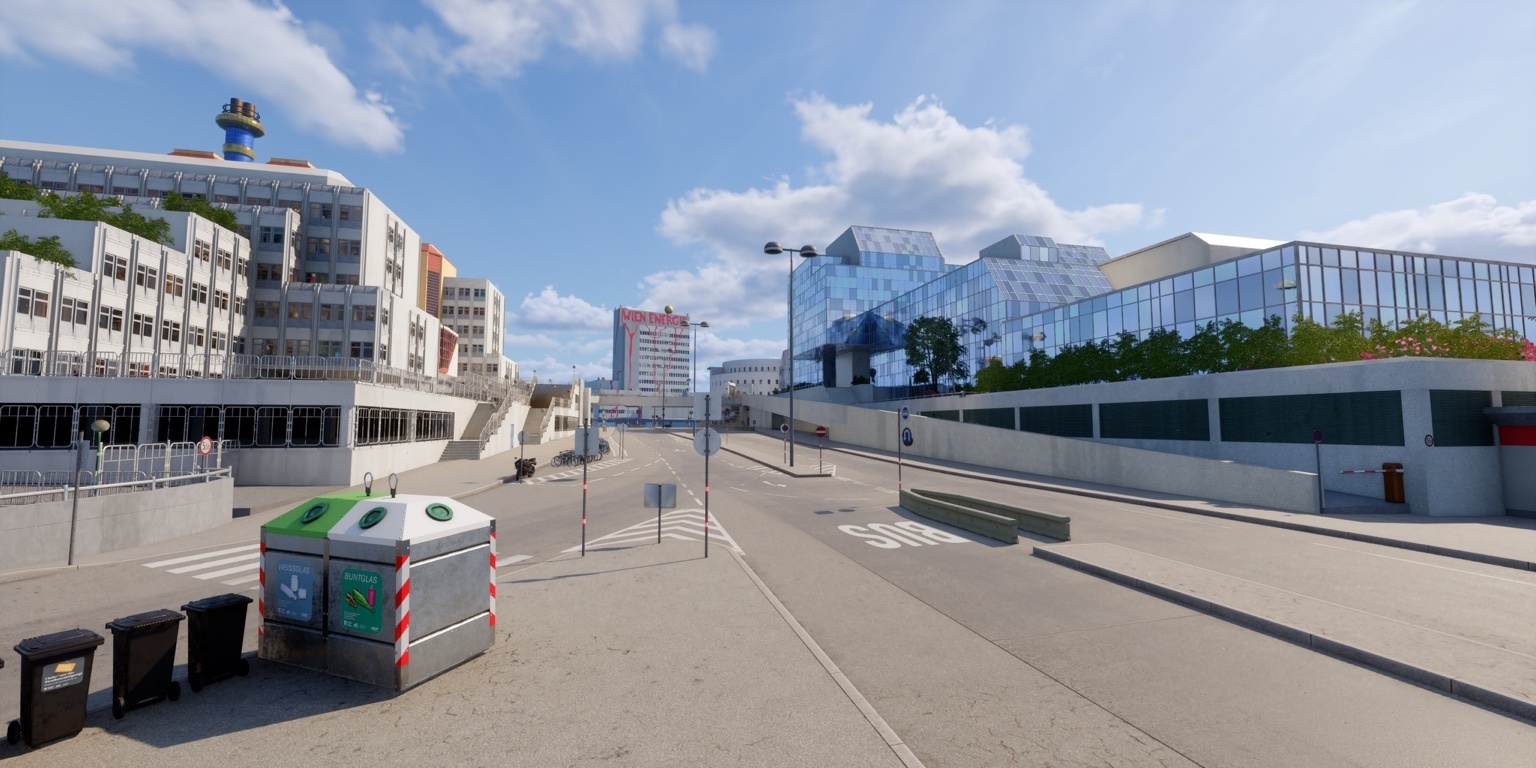
1,400 Buildings – But They’re Not All Created the Same Way
[p align="start"]It all starts with our internal research tool. Among other sources, we import data from OpenStreetMap, which allows us to see road layouts, property boundaries, and building footprints along the routes.[p align="start"]Each building is then numbered and assigned to one of five categories. These categories determine how accurately a building is recreated and how much production time is allocated to it.[p align="start"]Buildings located directly at stops and particularly distinctive landmarks receive more attention. Buildings in side streets or further in the background, on the other hand, can be simplified or based on existing building assets.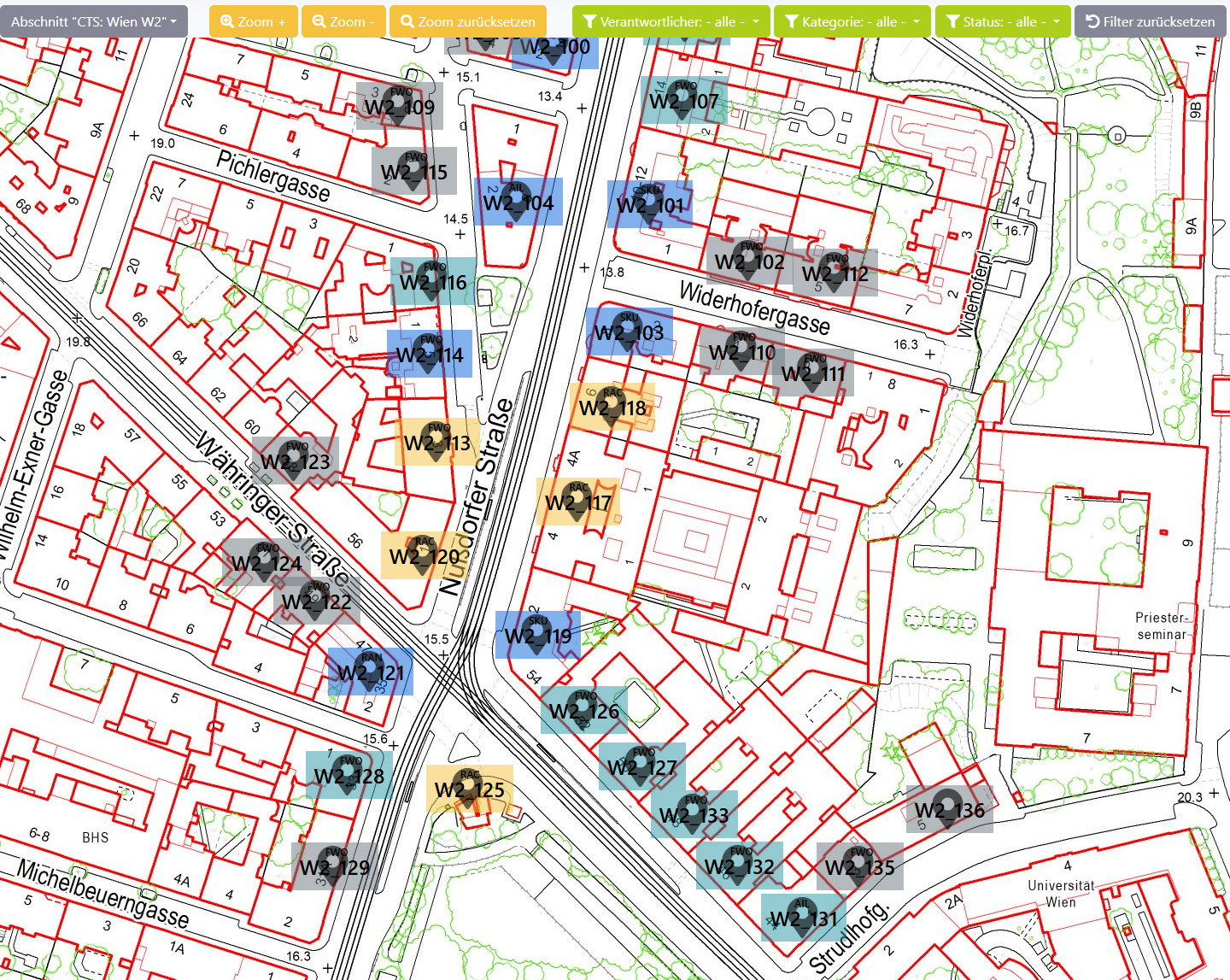
From the Real Building to the Game
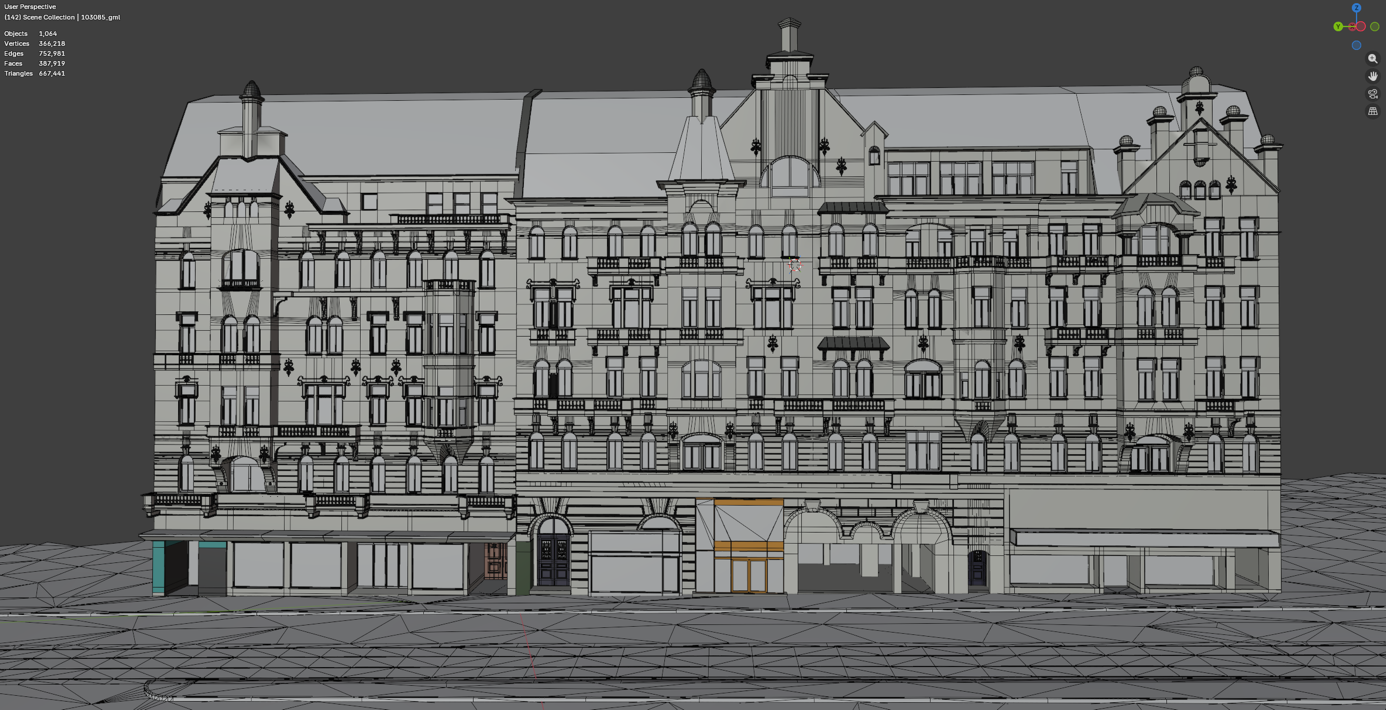
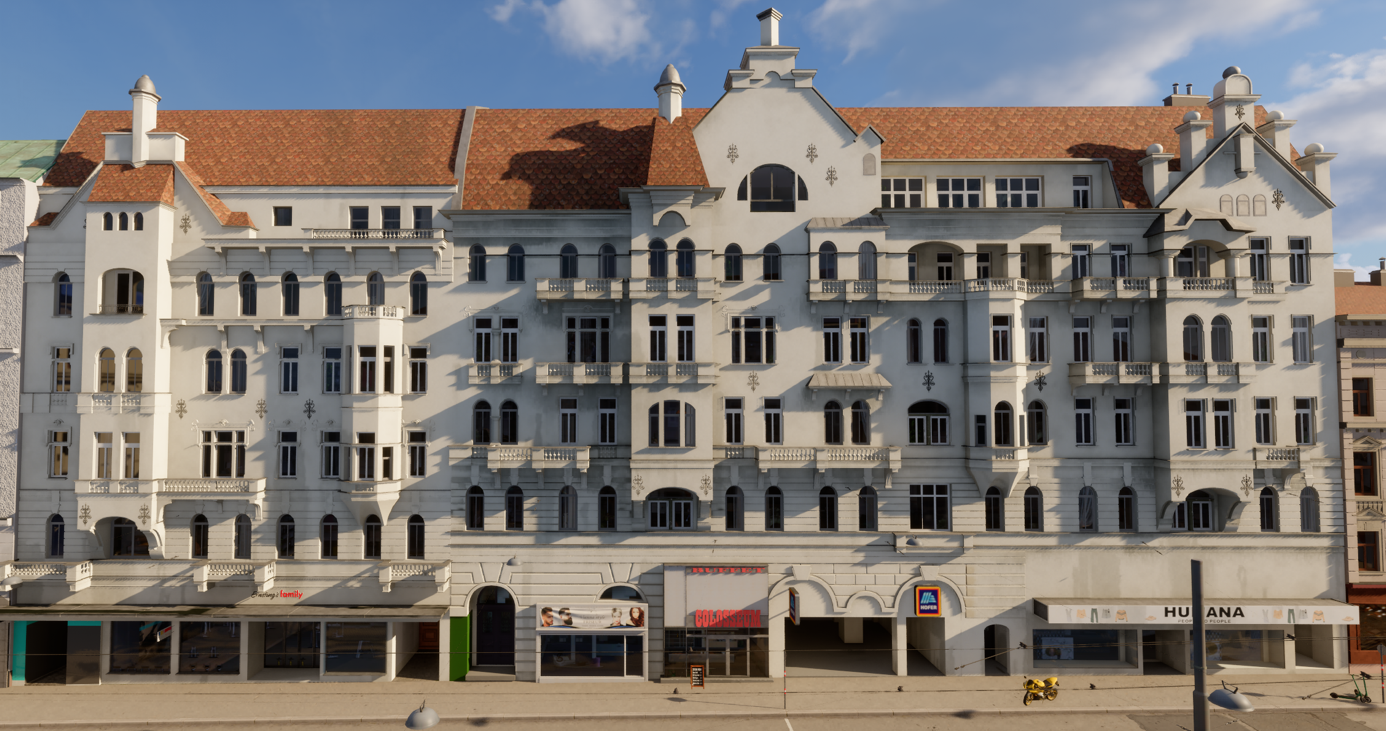
[p align="start"]For the actual recreation process, we use a variety of references.[p align="start"]In addition to the basic OpenStreetMap data, we primarily use Google Street View and Google Earth. These allow us to study façades, windows, balconies, roof shapes, and many other details. The available 3D data also helps us estimate the proportions of the buildings.[p align="start"]A good example is buildings W2-117 and W2-118, located opposite the Spitalgasse stop.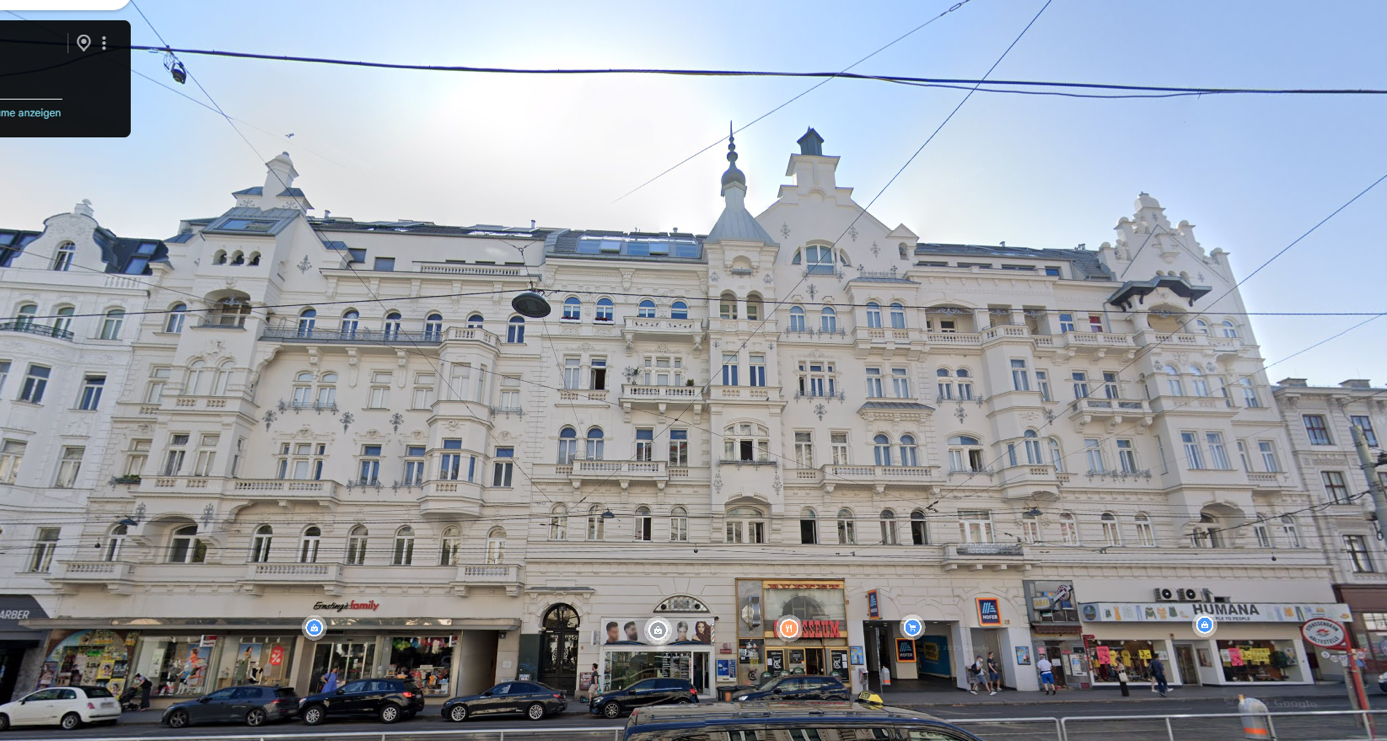
One Building per Working Day
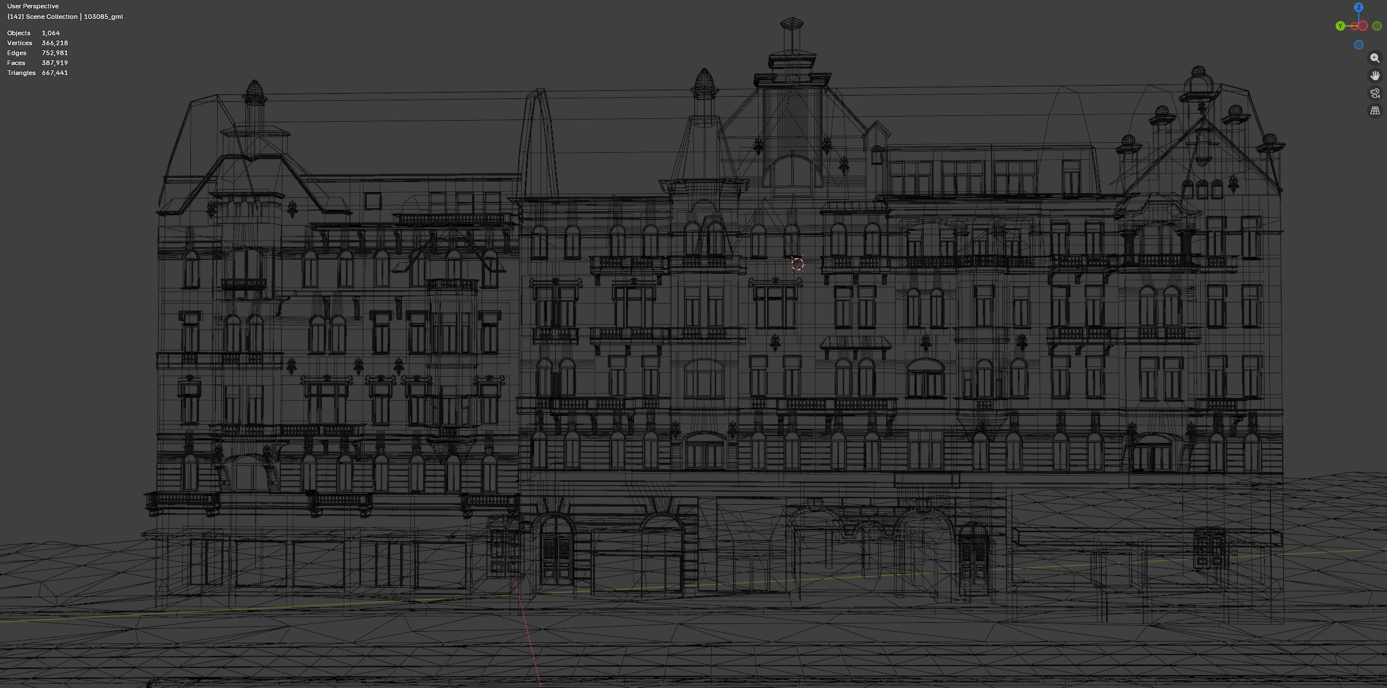
[p align="start"]Of course, with almost 1,400 buildings, we don’t model every single window, door, and balcony completely from scratch every time.[p align="start"]Throughout development, we’ve therefore built up an ever-growing library of reusable architectural elements – including windows, doors, cornices, columns, dormers, bay windows, balconies, and railings.[p align="start"]If a specific element is missing, it is created for the respective building and then added to the library. This means it can also be reused elsewhere later on.[p align="start"]As a result, each building is a combination of individually modeled sections and reusable assets.[p align="start"]For a typical Category 3 building, we allocated an average of around eight hours of work – from the start of modeling to the finished building inside the engine.It’s the Little Things That Make Vienna Feel Like Vienna
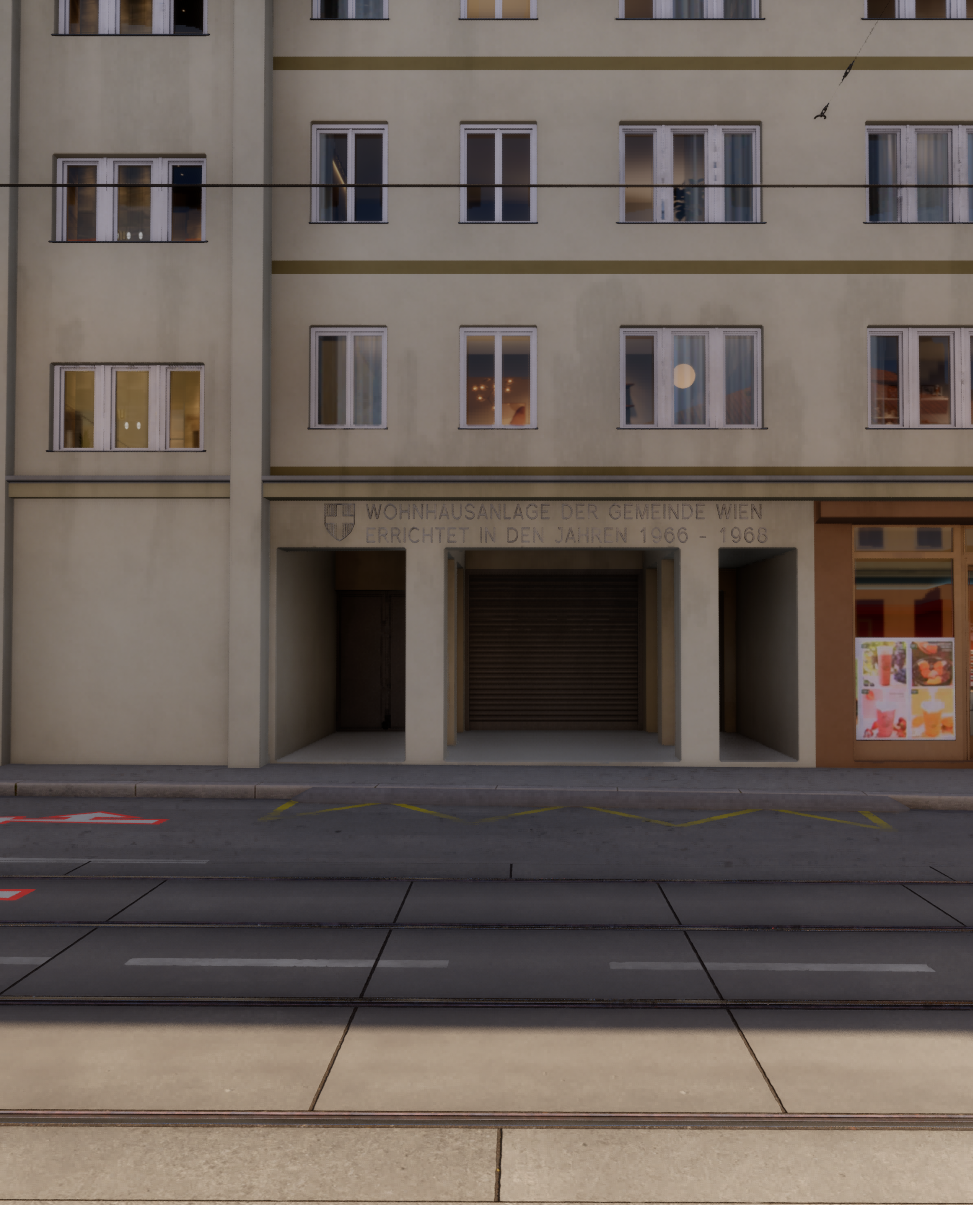
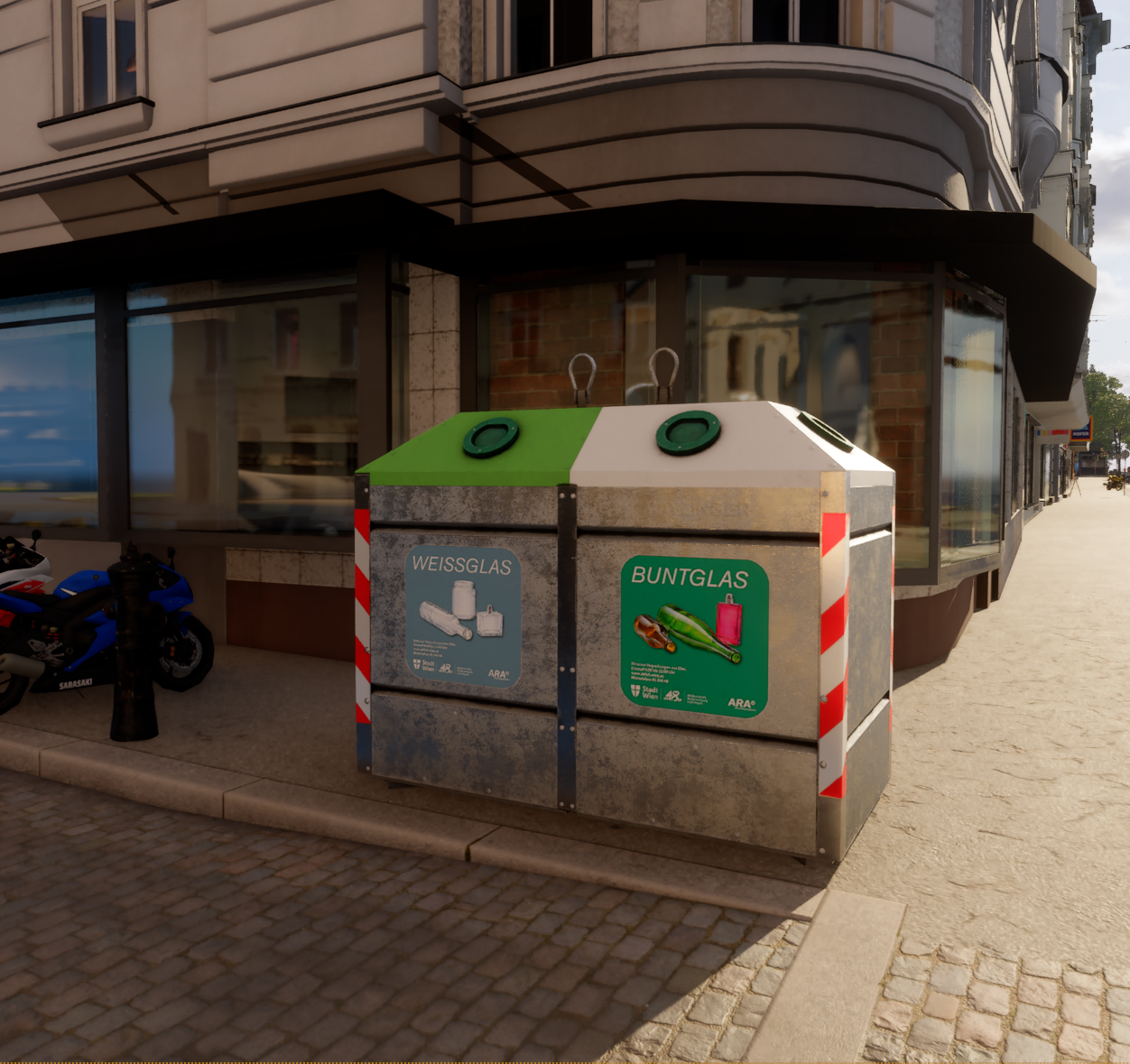
[p align="start"]Buildings alone aren’t enough to make a city instantly recognizable.[p align="start"]That’s why set dressing also plays an important role. This is where all the smaller objects and details that characterize Vienna’s cityscape come into play.[p align="start"]This includes, for example, familiar Austrian stores such as BILLA: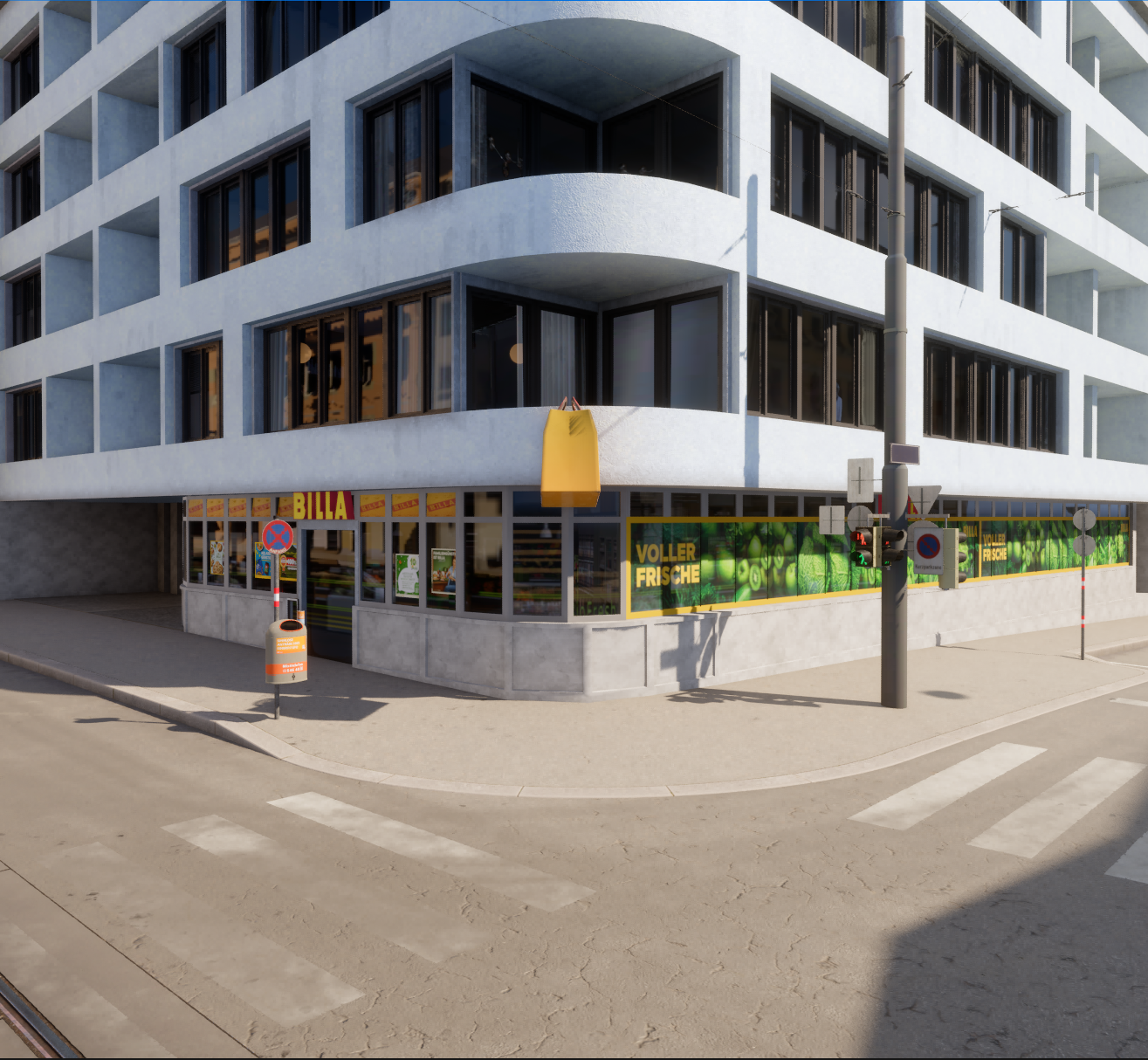
[dynamiclink href="https://store.steampowered.com/app/4399970/CTS_2026__Vienna_Expansion/?l=german"]
