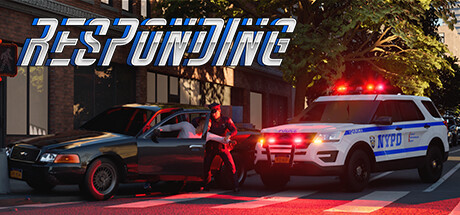
Read the full patch notes further below to see all of the bug fixes, improvements, and new systems included in this update.
This update is focused heavily on AI, vehicle behavior, traffic, and the underlying systems that make the world around you behave more naturally.
We've made significant improvements to our vehicle AI, including a new C++ implementation of the vehicle AI framework, improved throttle, braking and steering calculations, better following behavior, and new maneuvering logic for situations where vehicles become stuck.
Alongside this, we've made a number of improvements to AI task handling, stimulus processing, combat behavior, audio, environments, and overall performance.
Watch our Vehicle AI Development Update
A major step forward for vehicle AI
One of the biggest changes in this update is the continued overhaul of our vehicle AI.
We've migrated the core Blueprint vehicle AI logic into C++, giving us a more performant and maintainable foundation for expanding the system going forward.
On top of that new foundation, we've introduced a large number of improvements to how AI vehicles calculate and respond to their surroundings.
Vehicle AI now has improved:
Throttle, braking, and steering calculations based on the vehicles chassis physics
Following behavior
K-turns and U-turns
Reverse alignment
Maneuvering when stuck
Collision avoidance
Emergency vehicle interactions
Target following and orientation matching
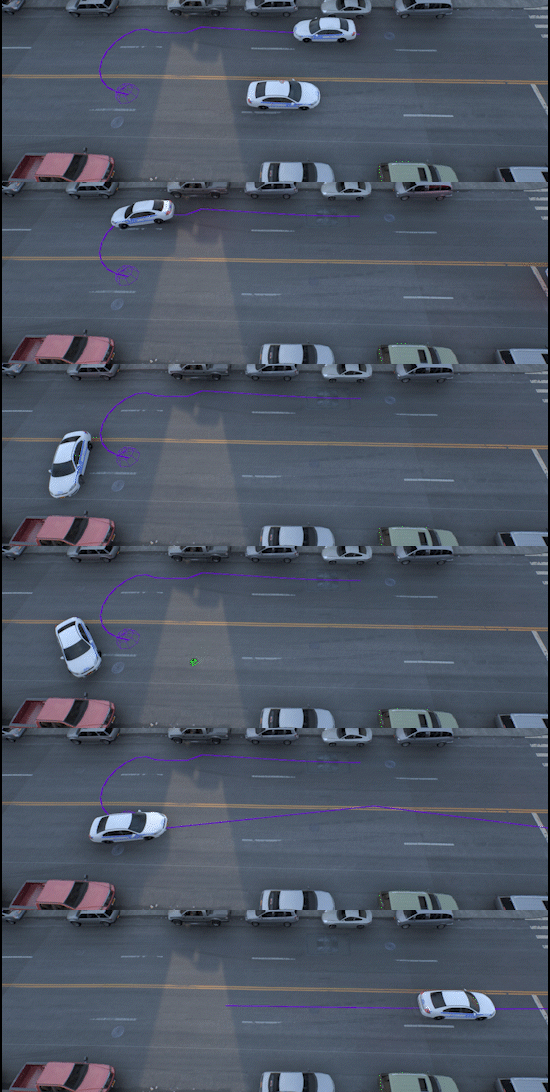
AI vehicles following a target will now better maintain the appropriate distance and speed. If a vehicle approaches its target from the front, it can now pass the target and perform a U-turn to correctly align itself again.
These systems are still being developed, but they provide a much stronger foundation for the vehicle behavior we want Responding to have.
More traffic control
We've also continued working on the Mass Traffic system that controls the civilian traffic throughout the city.
Traffic density sliders have been improved so that changes are now reflected in real time, including removing vehicles outside of the player's view when density is reduced.
We've also adjusted our road zone shapes to reduce traffic density on certain single-lane and double-lane roads, helping us better control how traffic builds up in different parts of the city.
Parked vehicle placement has also been improved, including fixes to parking locations beneath the elevated subway tracks.
When emergency vehicles are spawned into traffic, the system now checks for overlapping vehicles and can remove the overlapping vehicle when necessary, helping prevent problematic vehicle spawns and improving overall traffic stability.
Emergency vehicles and intersections
Emergency responses have received several improvements as well.
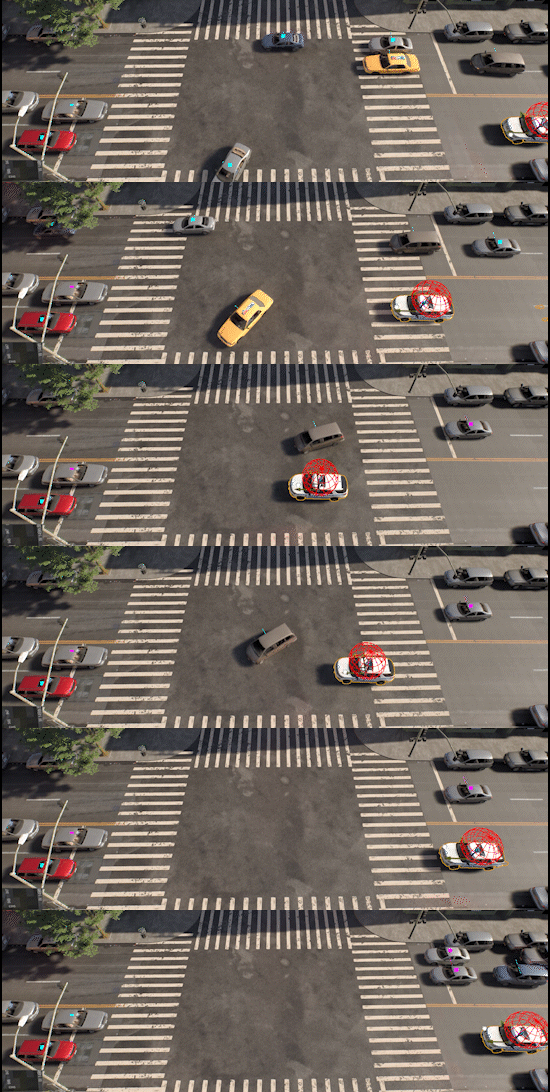
Traffic approaching an intersection from any direction will now react when an emergency vehicle approaches or is already occupying the intersection. Vehicles will brake and avoid entering the intersection rather than continuing through it.
We've also improved the behavior of AI emergency vehicles that are dispatched to callouts, ensuring they properly investigate the scene after arriving.
These changes are part of our continued work toward making emergency responses feel more dynamic, with surrounding traffic reacting to what is happening rather than simply following its normal behavior.
Pedestrian AI improvements
We've made a number of changes to the underlying pedestrian AI systems as well.
AI stimulus tracking has been cleaned up, with additional debug categories added to make it easier for us to diagnose AI behavior during development.
We've also fixed several issues with AI task handling, including problems with task claims and returning to a parent task after completing a conditional subtask.
Police AI receiving a stimulus will now correctly receive the associated callout ID, while several other fixes ensure players and AI are assigned to the correct incident when interacting with dispatch.
AI medics will also correctly update their destination when a new downed person is reported after the initial dispatch.
Improved AI combat
We've also expanded the AI weapon firing system.
AI weapons now support variable fire rates, including a higher semi automatic fire rate when a target is clearly visible, burst fire while suppressing a target, and the initial implementation of logic for fully automatic weapons.
This is an early step toward making AI combat behavior more varied and context-dependent.
Character and vehicle interaction improvements
We've addressed a number of issues involving characters interacting with vehicles.
Seating AI into vehicles is now dependent on the player's distance from the vehicle.
We've also improved the stop-ragdoll system so characters will search for a reachable and unobstructed position when recovering, helping prevent them from falling through floors or becoming stuck.
Additional fixes address characters becoming stuck in the ejection pose when getting back into vehicles, as well as other ragdoll and vehicle interaction issues.
Audio and world atmosphere
We've continued expanding the game's audio environment with additional reverb zones throughout the city, including alleyways and interior rooms.
The Glock's base shooting sound has also been replaced, alongside improvements to the underlying sound framework to give weapon audio more depth. This system is still a work in progress.
We've also improved the crime scene tape system, including better placement, limited tape length, and the ability for the tape to break when placed under too much tension.
Visual and rendering improvements
We've enabled MegaLights as part of our ongoing work to improve lighting performance.
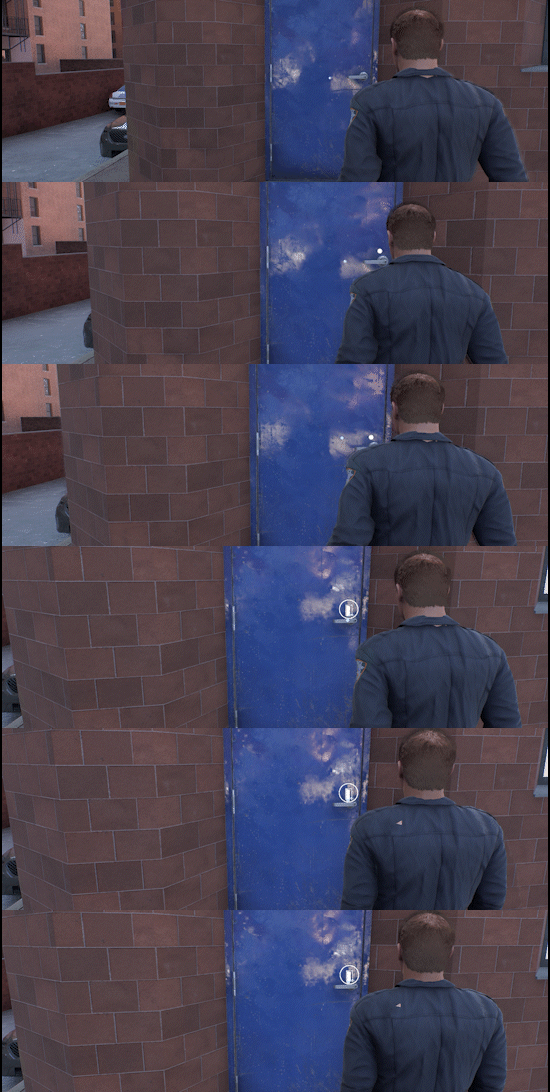
The Voss Discovery has received further tuning as well, including an all-wheel-drive setup and a six-speed transmission. We’re also working on a visual UI overhaul, with the first iteration now making its way into the game. The interactable prompts are sleeker while still clearly communicating their function, helping improve playability without compromising our minimalist design philosophy.
Quality-of-life and bug fixes
Alongside the larger systems above, this update contains a large number of smaller fixes and improvements, including:
Added a teleport-back-to-latest-position safeguard when falling through the map.
Fixed the ability to dismiss a single officer.
Improved interactable hints.
Fixed a bug where police AI would not receive the correct callout ID from a stimulus.
Fixed player assignment to the correct incident when reporting or requesting backup through dispatch.
Fixed AI medic destination updates when new downed persons are reported.
Improved vehicle AI collision enabling and entity avoidance.
Fixed additional ragdoll issues.
Improved emergency vehicle spawning stability.
Further improved traffic density and parked vehicle behavior.
There is still a lot more we want to do with these systems, particularly vehicle AI and the way emergency responses interact with the wider world.
Full Changelog
Below you'll find the complete list of changes, fixes, and additions included in this update.
AI Systems
Cleaned up AI stimulus tracking.
Added additional AI debug categories.
Fixed a bug where police AI would not receive a callout ID when receiving a stimulus.
Fixed issues with AI task claims and returning to the parent task after completing a conditional subtask.
Improved the stop-ragdoll functionality so characters always attempt to find a reachable and unobstructed position, reducing cases where characters fall through the floor.
Fixed a bug that could leave characters stuck in the ejection pose when getting back into a vehicle.
Fixed the ability to dismiss a single officer.
Fixed a ragdoll issue.
AI Combat
Implemented variable fire rates for AI weapons.
Increased pistol fire rate when a target is visible.
Added burst fire behavior when AI is using suppressing fire.
Implemented the initial logic for fully automatic weapons.
AI Dispatch & Callouts
Ensured automatically dispatched police AI investigate the scene after arriving at a callout.
Fixed an issue where the player could be assigned to the wrong incident callout when reporting an incident or requesting backup through dispatch.
Fixed an issue where AI medics would not change their destination when a downed person was reported after the initial dispatch due to mismatched incident callout IDs.
Vehicle AI
Migrated vehicle AI Blueprint logic into C++ to improve performance, logic, and maintainability.
Added significant new vehicle AI behavior on top of the previous framework.
Improved throttle, brake, and steering calculations.
Improved the overall vehicle AI follow mechanic.
Improved target following so vehicles maintain better speed and positioning relative to their target.
Vehicles approaching their follow target from the front can now pass the target and perform a U-turn to match its orientation.
Added K-turns, U-turns, and reverse alignment behavior.
Improved vehicle maneuverability when AI vehicles become stuck.
Adjusted logic for moving around and avoiding entities when vehicle AI enables collision.
Improved vehicle AI collision and obstacle handling.
Traffic
Adjusted Zone Shapes to reduce traffic density on certain single-lane and double-lane roads.
Fixed and improved traffic density sliders.
Traffic density changes now remove vehicles in real time outside of the player's view.
Fixed parked vehicle density.
Fixed parking locations underneath the elevated subway.
Improved emergency vehicle spawning stability by checking for overlapping traffic vehicles and removing overlapping vehicles when necessary.
Traffic from all directions of an intersection will now brake and avoid entering the intersection when an emergency vehicle approaches or is occupying the intersection.
Vehicles
Tuned the Voss Discovery.
Changed the Voss Discovery to all-wheel drive.
Added a six-speed transmission to the Voss Discovery.
Fixed additional vehicle interaction issues.
Characters
Seating AI into a vehicle is now dependent on the player's distance from the vehicle.
Improved stop-ragdoll recovery behavior.
Fixed characters becoming stuck in the ejection pose when re-entering vehicles.
Fixed additional ragdoll issues.
Audio
Added additional reverb zones throughout the city, alleyways, and rooms.
Replaced the Glock base shooting sound effect.
Improved the sound framework for greater depth. This system is still a work in progress.
Crime Scene Systems
Improved crime scene tape placement.
Added a maximum tape length.
Crime scene tape can now break when placed under excessive tension.
Rendering & Performance
Enabled MegaLights to improve lighting performance.
Enabled experimental translucency sorting to address vehicle glass sorting issues.
Migrated vehicle AI logic from Blueprint to C++ to improve performance and maintainability.
General
Added a teleport-back-to-latest-position safeguard when falling through the map.
Improved interactable hints UI icons.
Fixed various smaller AI, vehicle, traffic, interaction, audio, and gameplay issues.