ULF A and ULF B – What Sets Them Apart from A1 and B1
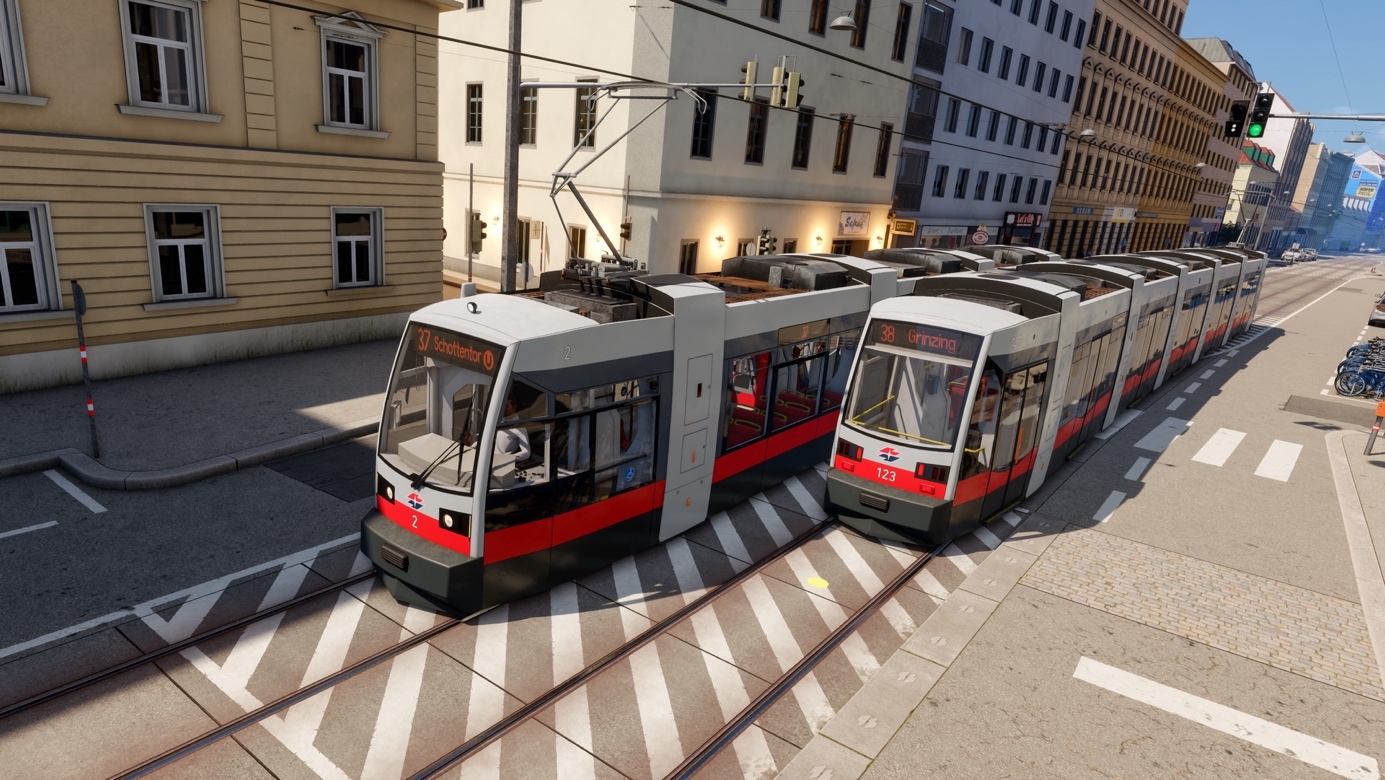
[p align="start"]ULF A and ULF B belong to the same vehicle generation. While the ULF A, at 24.2 metres, is the shorter variant, the ULF B measures 35.5 metres.[p align="start"]Here are some of the key specifications and differences compared to A1/B1:ULF A: 24.2 metres, 42 seats and room for 94 standing passengers, six 80 kW motors
- [p align="start"]ULF B: 35.5 metres, 56 seats and room for 157 standing passengers, eight 80 kW motors
- [p align="start"]Top speed: 70 km/h for both variants
- [p align="start"]Motors: water-cooled 80 kW motors instead of the air-cooled 35 kW motors used in A1/B1
- [p align="start"]Headlights: positioned further towards the centre on A/B and further outwards on A1/B1
- [p align="start"]Front indicators and rear lights: rectangular on A/B and round on A1/B1
 [p align="start"]The differences continue inside. A/B feature white interior panelling, grey handrails and lighting positioned along the sides of the interior. In A1/B1, the panelling is grey, the handrails are yellow and the lighting runs along the centre.[p align="start"]The driver’s cab also reflects the respective generation. ULF A/B use the B1690 IBIS unit together with a monochrome driver display, while A1/B1 feature the B2063d and a colour display.[p align="start"]There are further differences when it comes to passenger air conditioning and windows. A/B do not feature passenger air conditioning and have five sliding windows per module that can be opened. A1/B1 feature passenger air conditioning and one sliding window per module. The display showing the coasting percentage for energy-efficient driving is also only available in A1/B1.[p align="start"]You can hear the differences as well. A/B and A1/B1 sound noticeably different, particularly when it comes to the driving sound. We have also taken the differences between the generations into account for individual sounds, including the doors, bell and contactors.[p align="start"]Comparing the two ULF generations shows just how much work goes into each individual vehicle.[p align="start"]In fact, the comparison between the two ULF generations is a good example of how much work can go into a vehicle that may already look familiar at first glance. An existing model cannot simply be turned into another generation in a single day. From the bodywork and interior to the driver’s cab, technical components and sounds, numerous differences first have to be researched and then recreated individually. Only when all of these elements come together does A1/B1 actually become A/B.
From Tram to Bus: C2G and C2
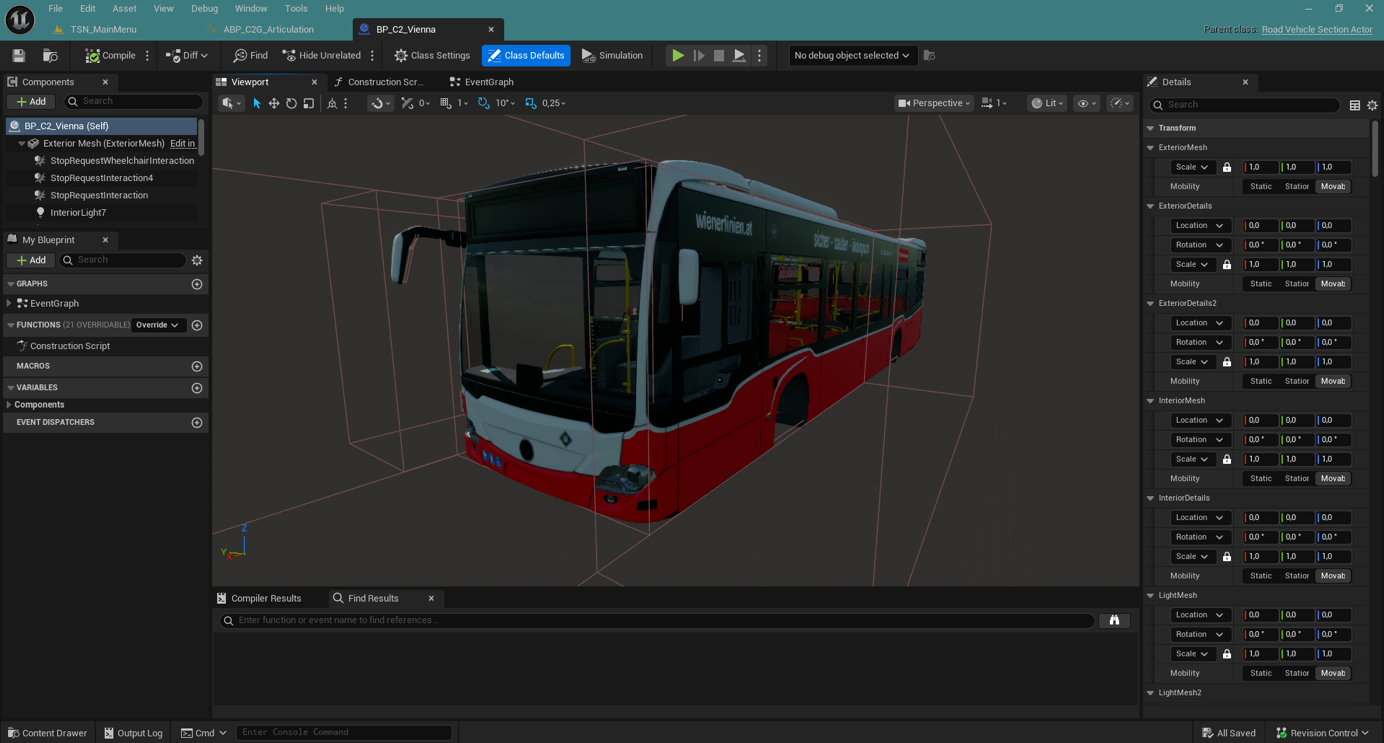
The Viennese C2 in Detail
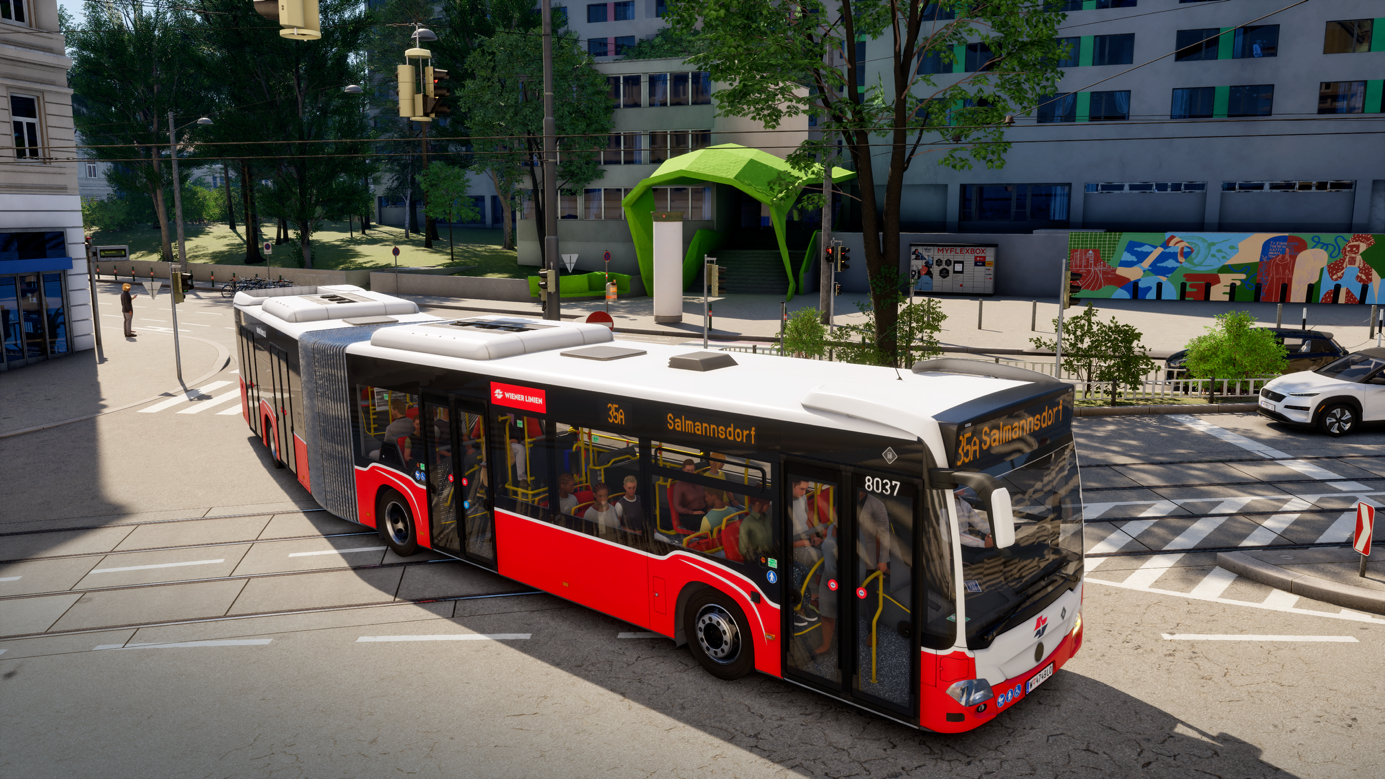
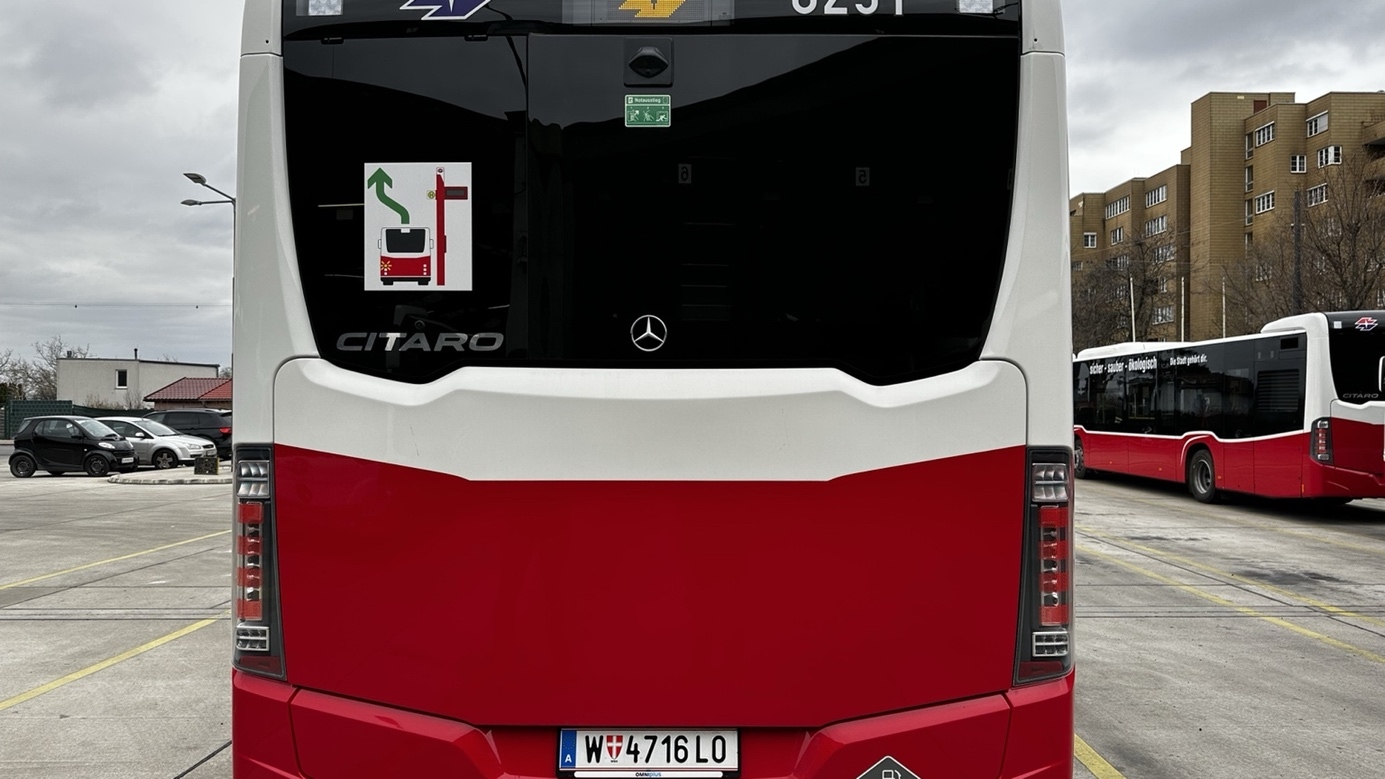
[p align="start"]For the C2, we specifically focused on recreating the Viennese version of the vehicle. Because a C2 isn’t automatically a Viennese C2.[p align="start"]You can see this in details such as the seats and stop-request buttons, the IBIS unit and the controls on the dashboard. The Viennese version does not feature a ticket printer. Both the interior and exterior also feature the appropriate Wiener Linien colour scheme and design.[p align="start"]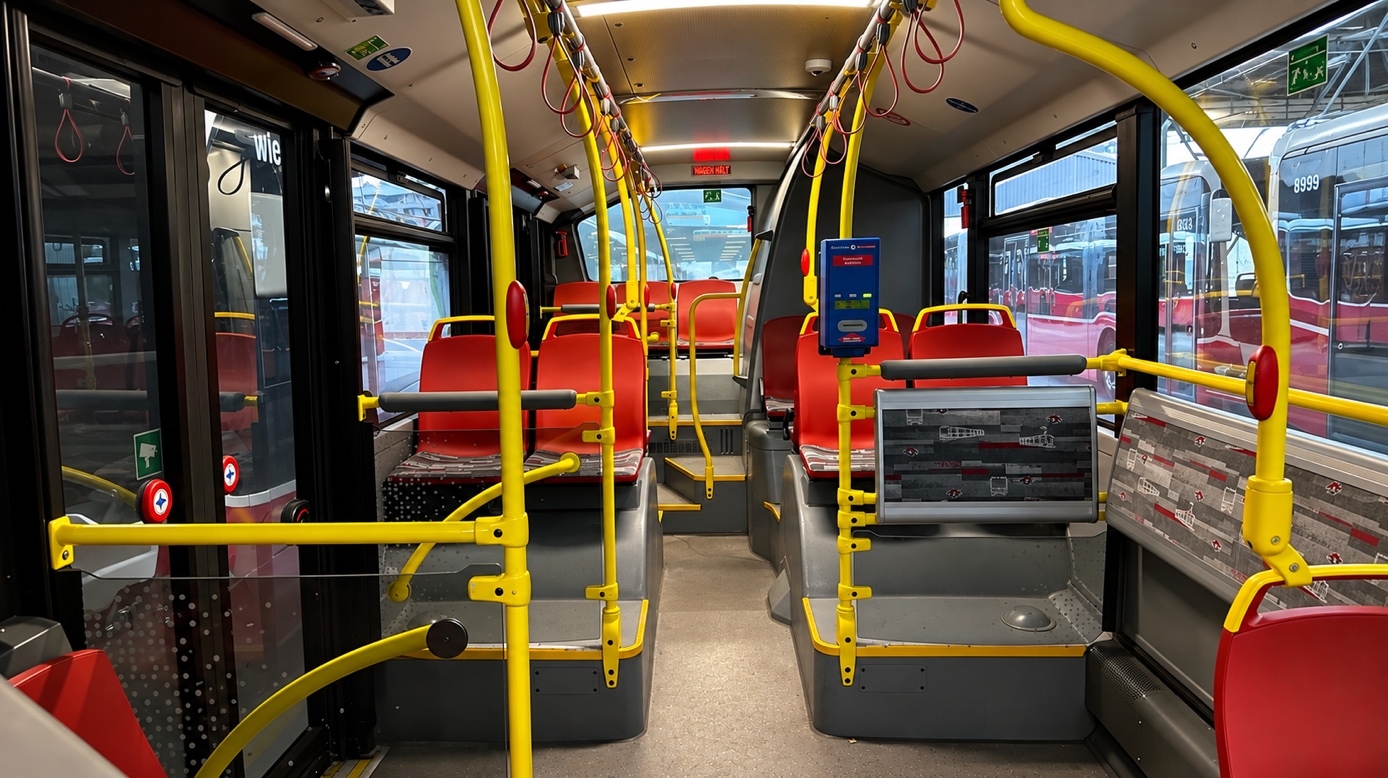
 [p align="start"]One particularly interesting detail can be found in the doors. The Viennese vehicles feature electrically operated swing-sliding doors at every entrance.[p align="start"]The first door has an additional peculiarity: the rear door leaf does not open straight, but at a slight angle. There is a very practical reason for this. With the steering turned, the door leaf could otherwise collide with the front tyre.[p align="start"]We have recreated this movement in the game as well.[p align="start"]
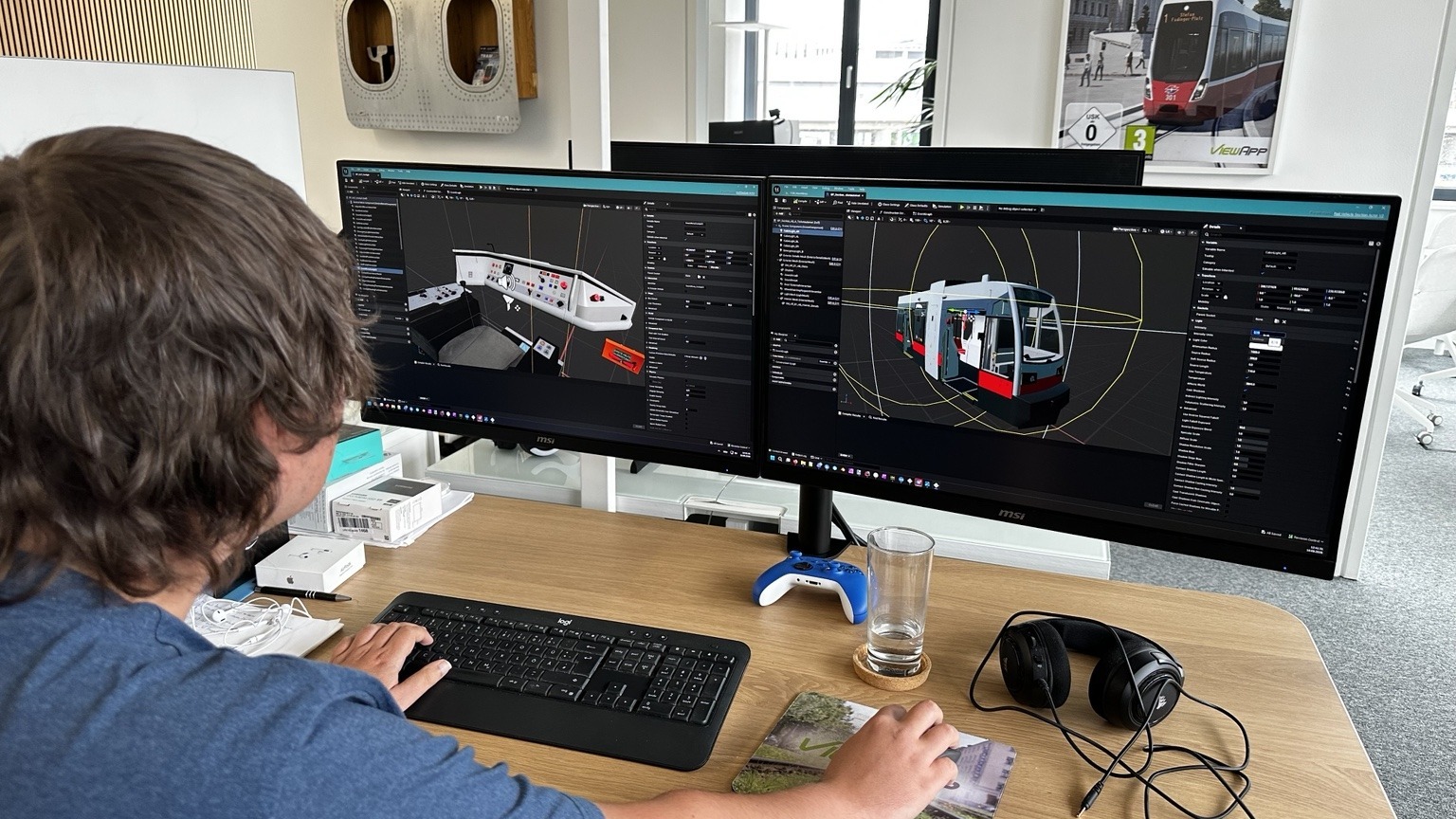
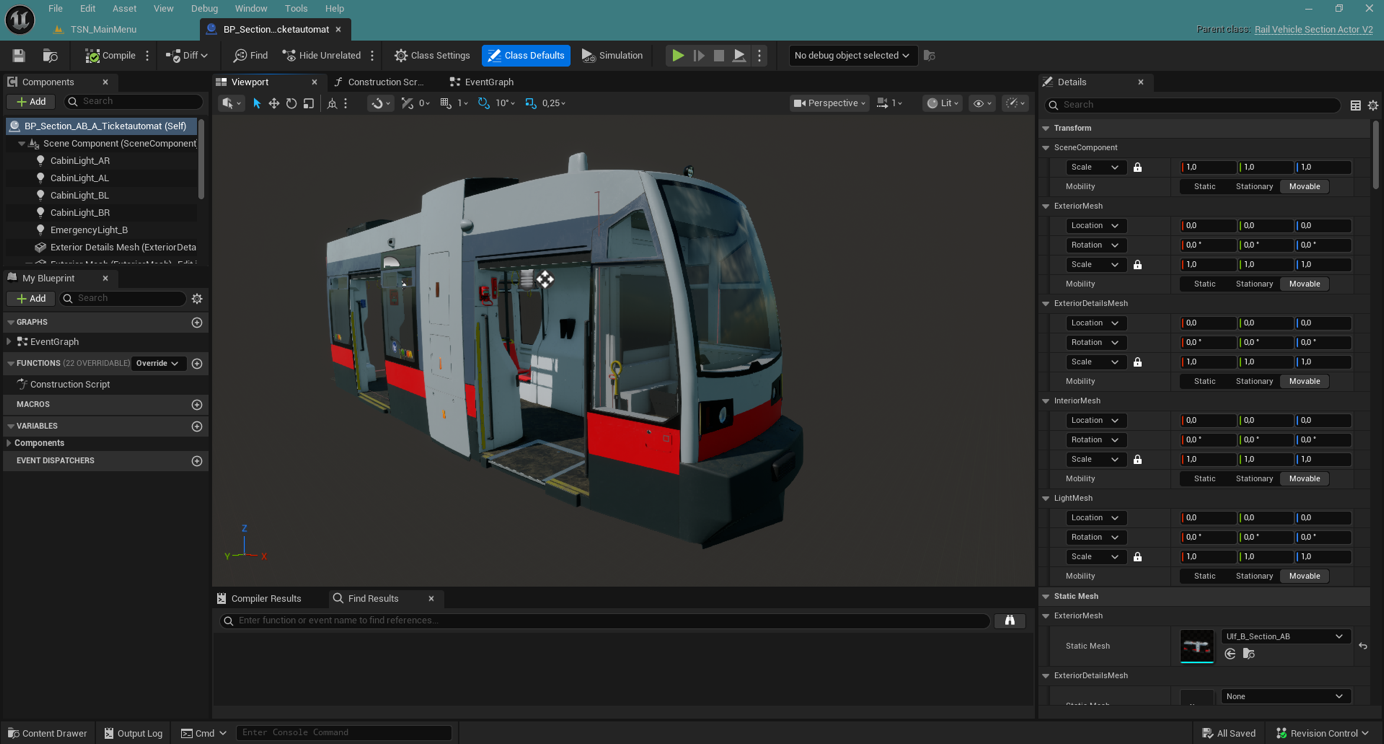
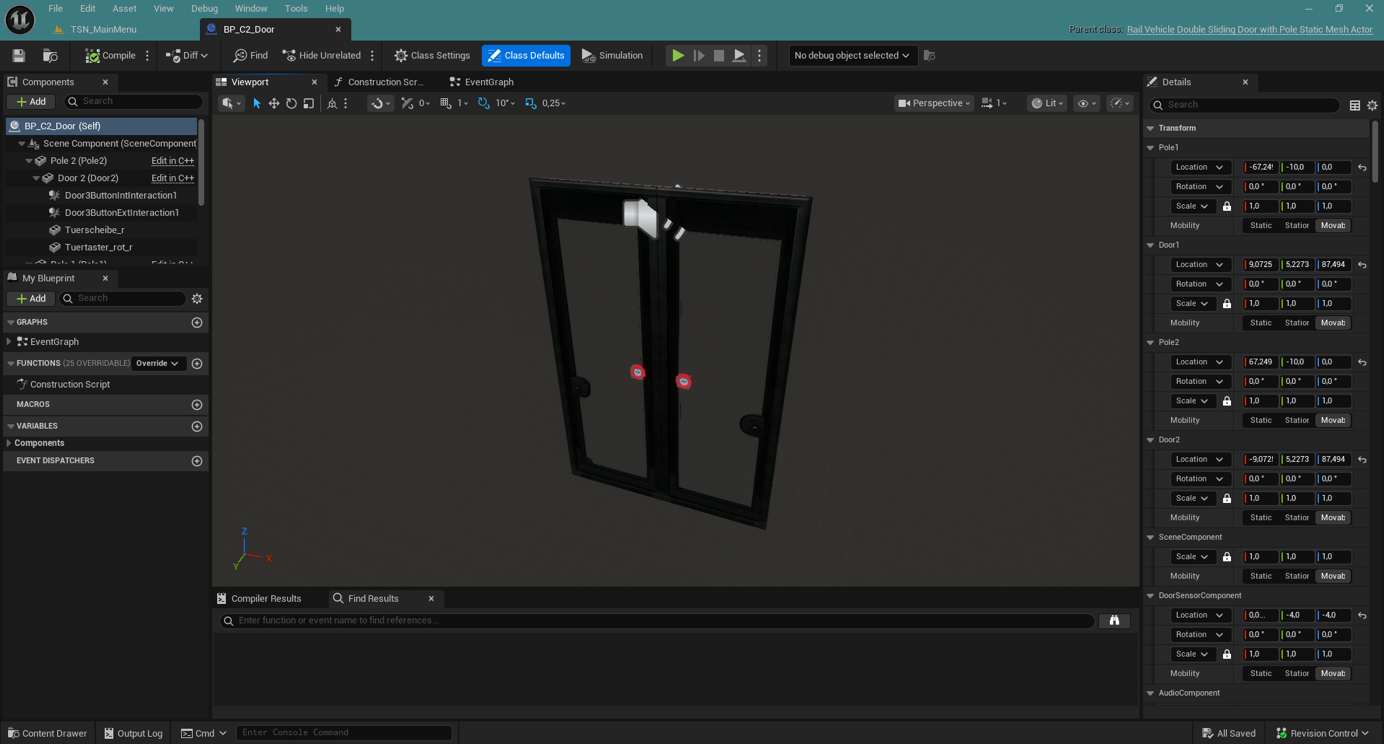 A large part of this work happens long before you see the vehicles driving through the finished streets of Vienna. Directly in the engine, models and materials are checked alongside interiors, controls, doors and their animations.[p align="start"]This is where you can really see how much work can go into recreating a single vehicle variant. Many of the differences may seem small on their own, but during development they still need to be researched, modelled, textured, animated, recorded and tested.