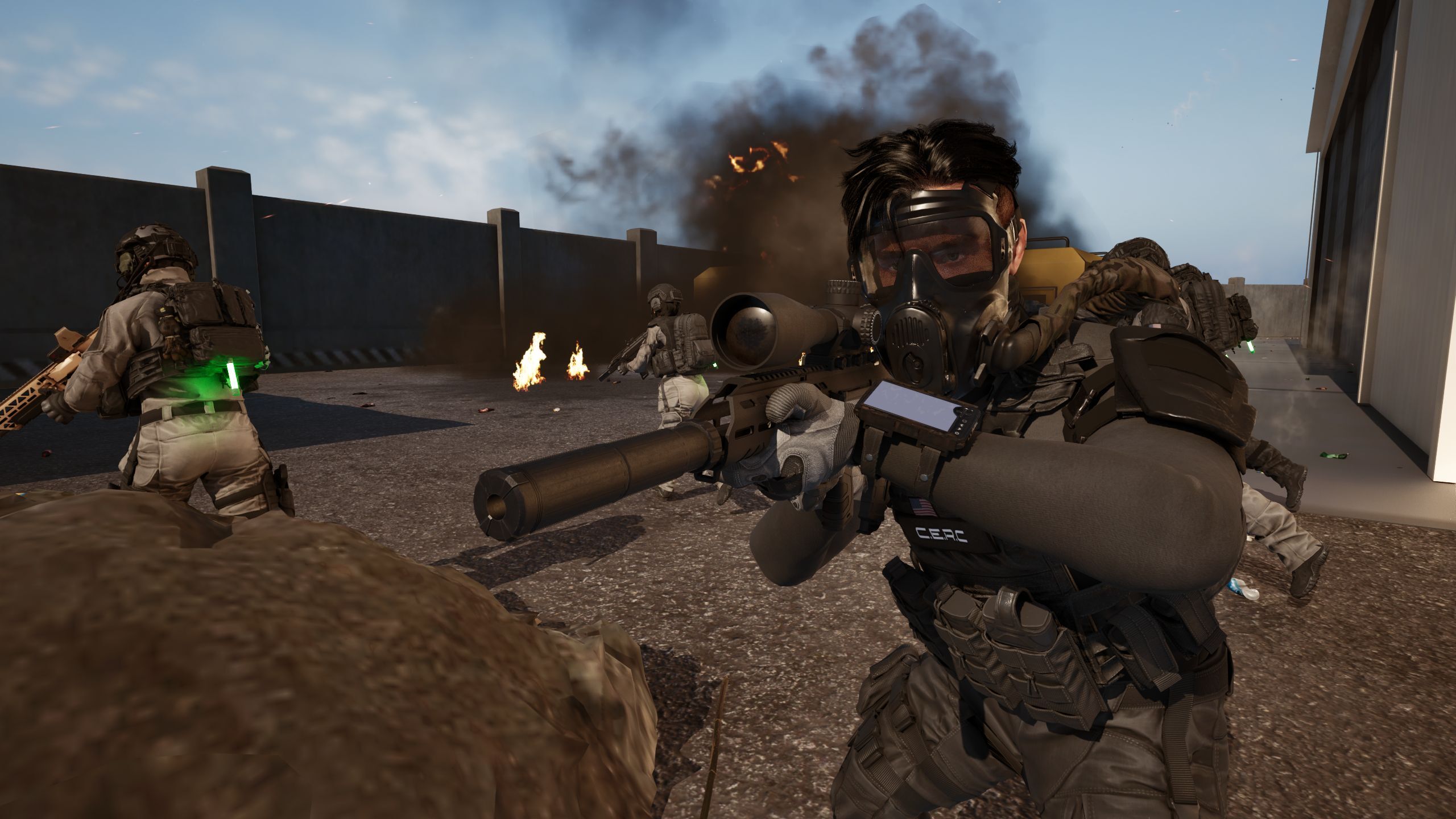
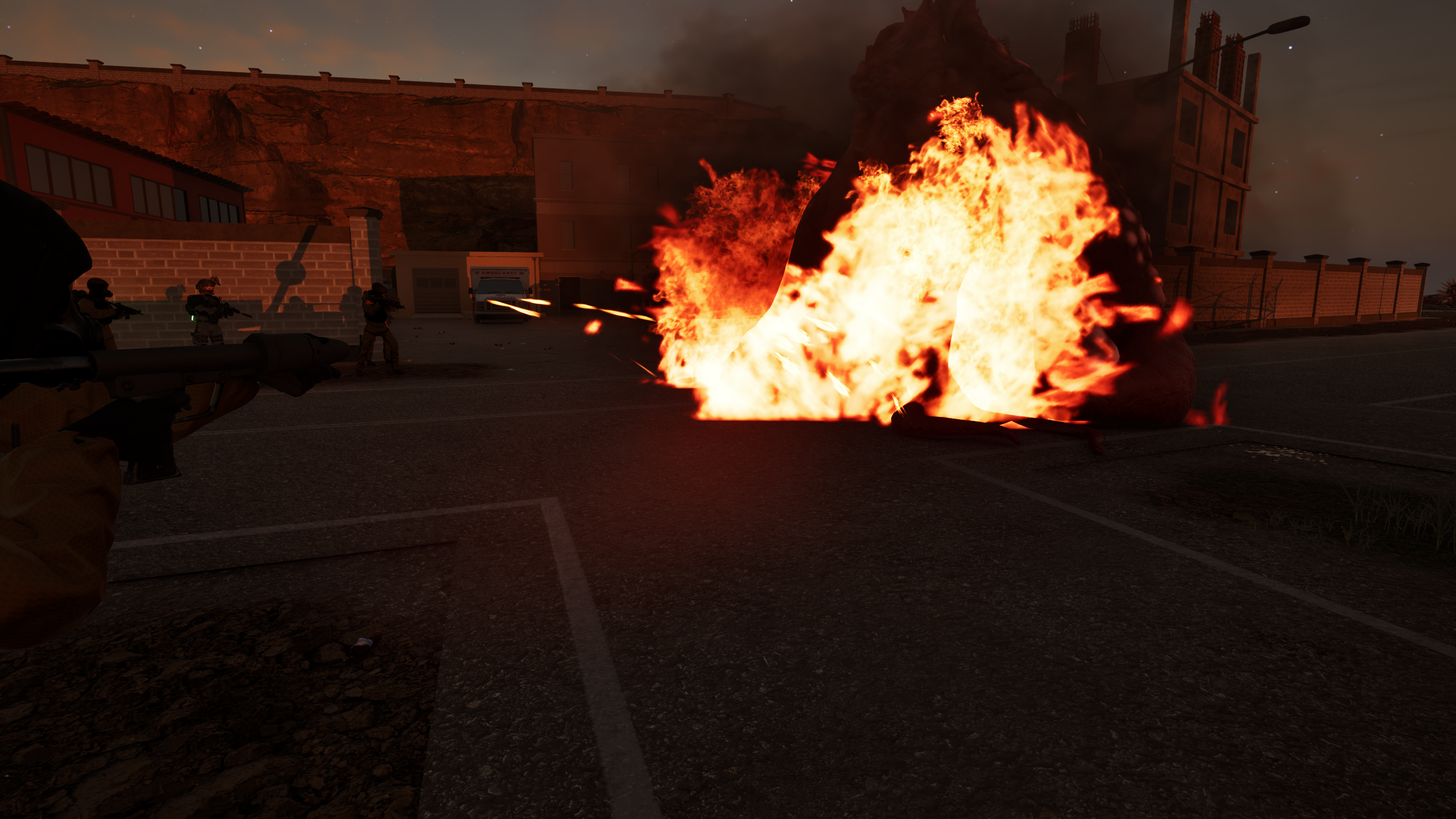
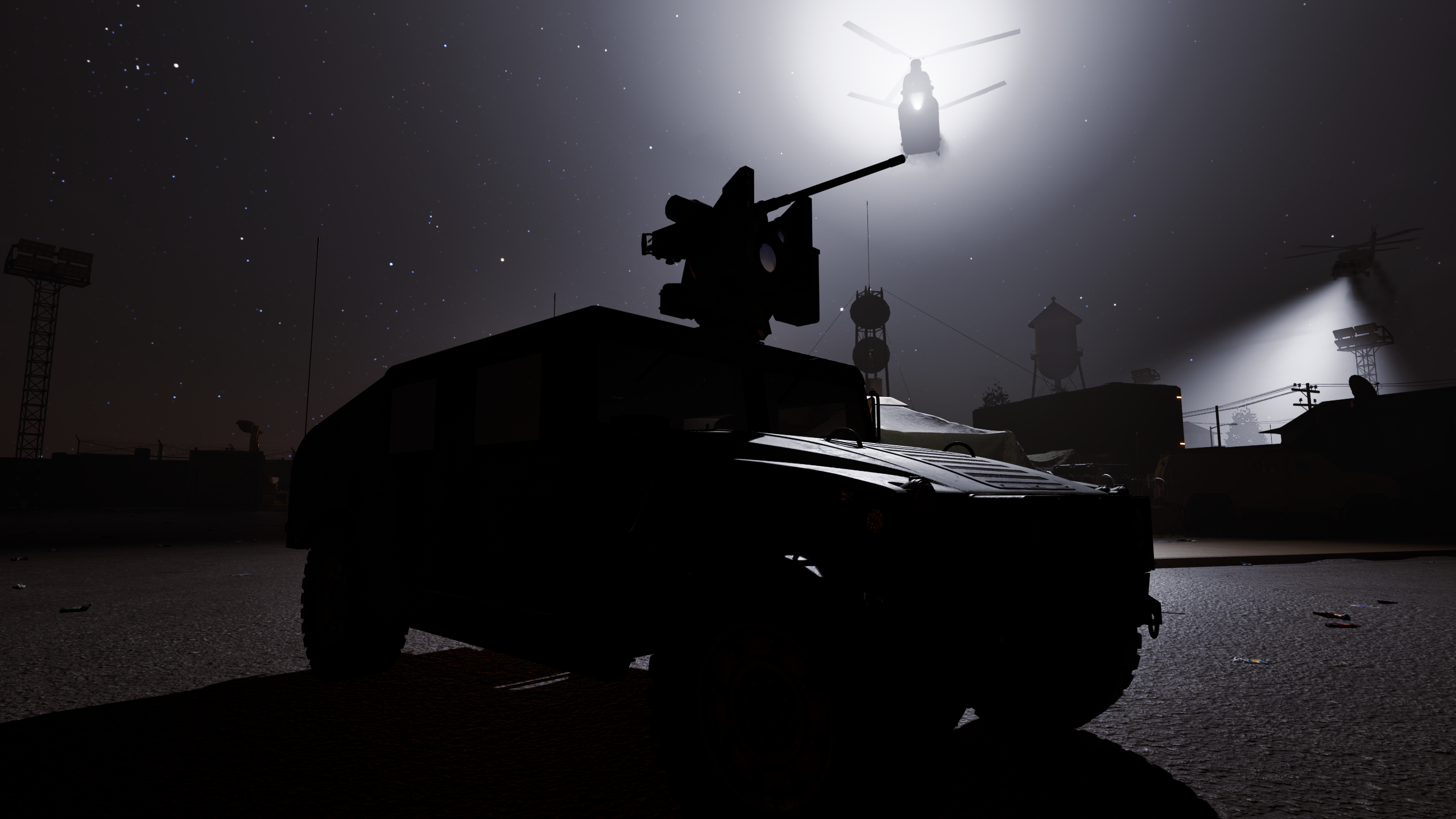
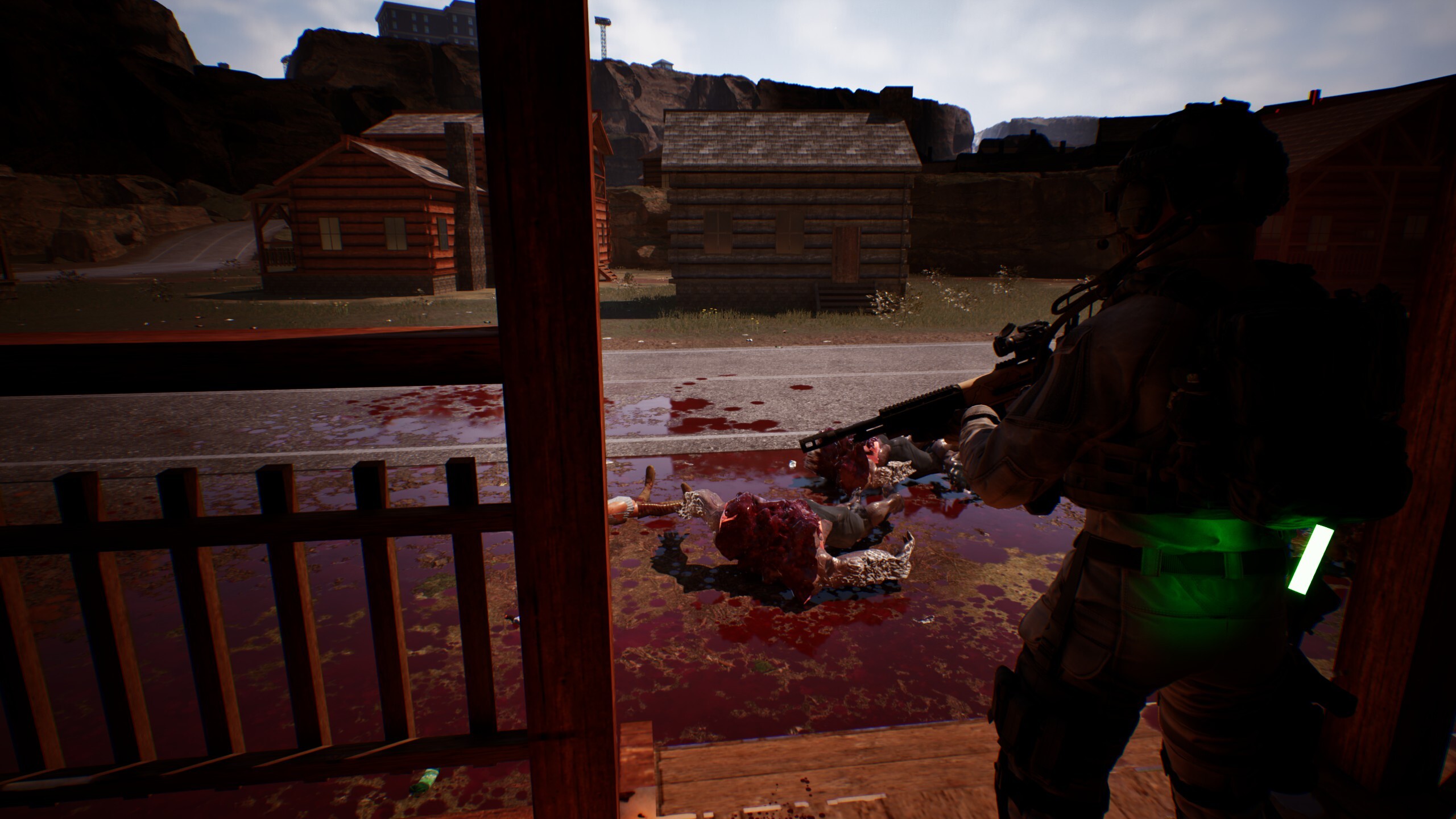
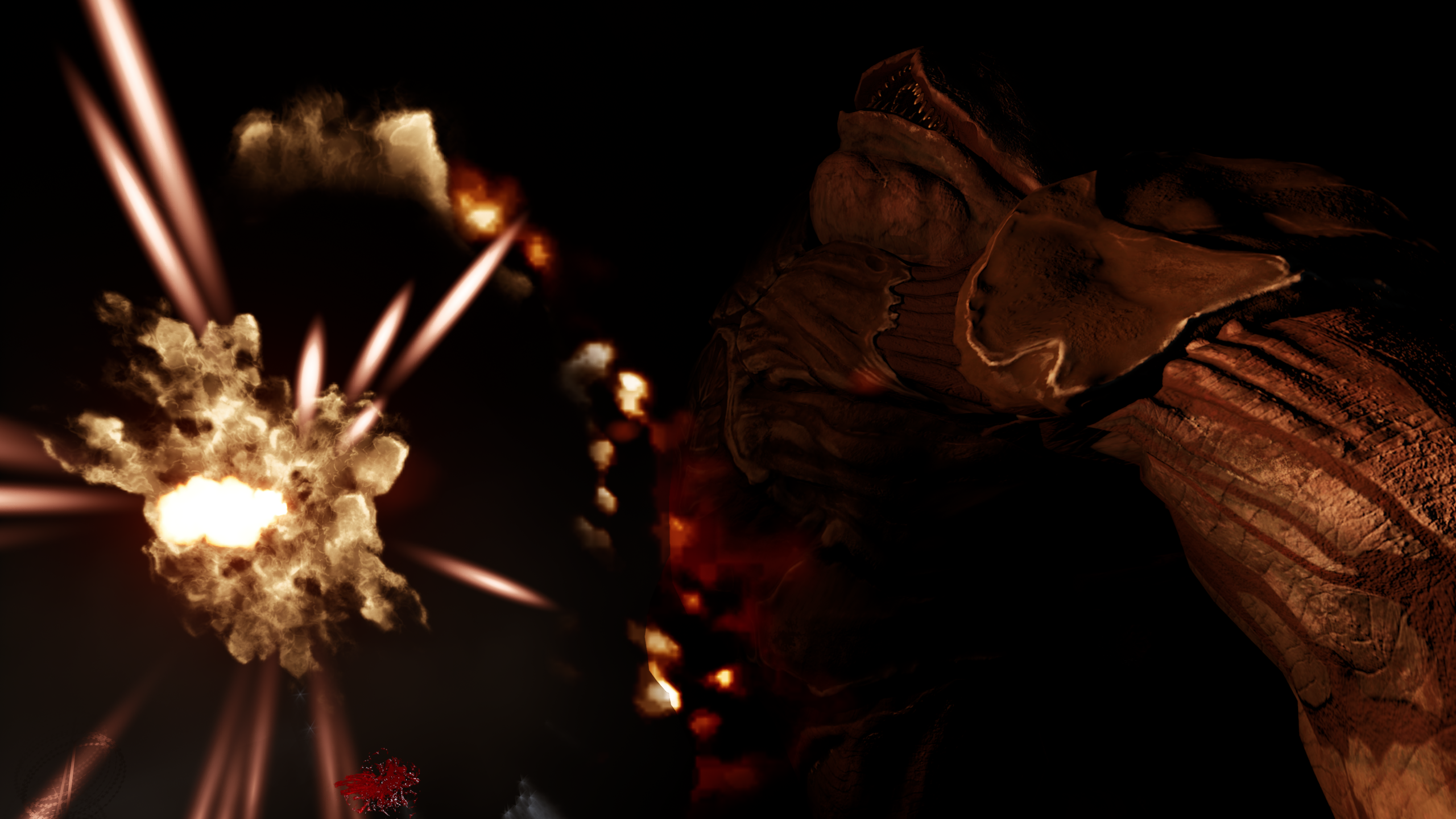
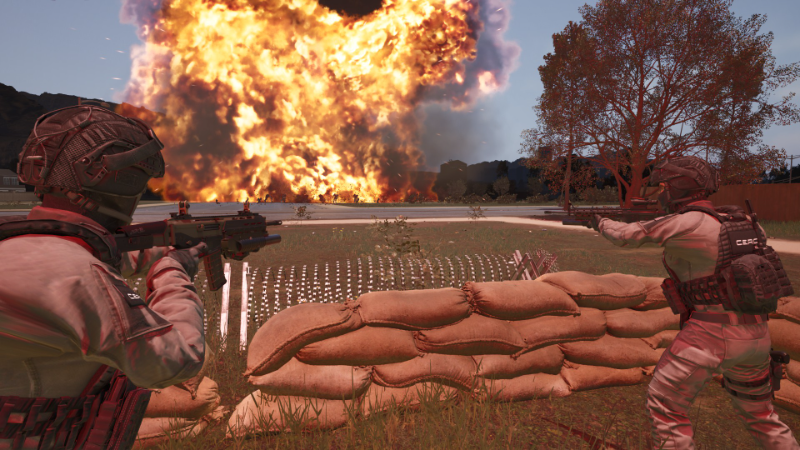
The virus is loose across the Bay Area. Flashpoints are erupting across the peninsula as entire districts fall into chaos and infected swarms push deeper into civilian zones. CERC forces are already in the field. Embedded military reporters and frontline operators are transmitting battlefield coverage directly from active operations. The images above were captured during recent combat deployments across the region. These transmissions come directly from the front. The battle for the Bay Area has begun.
Core Improvements and Community Audit
As outlined during CERC HQ on Saturday, we are continuing to refine the core of Cepheus Protocol across performance, pathfinding, system scalability, and quality of life. A substantial portion of this work is already live on Experimental. Feedback through Steam and Discord has reported that the current build is already substantially smoother and more stable, with some players describing the difference as light years ahead of where the game was only a few weeks ago. Those gains are available to test now, but they are not the end of the current pass. Additional improvements are coming throughout Tuesday and Wednesday as we continue profiling the remaining bottlenecks and stress testing larger sessions.
This Update at a Glance
Substantial performance gains already live on Experimental
Additional performance work arriving throughout Tuesday and Wednesday
Fog of war processing moving toward the GPU
Further pathfinding and collision refinement
Managed systems replacing large numbers of independent timers
Weapon, projectile, vehicle, and visual effect optimization
Class and ability cycling inside mixed selections
Saved building layouts and squad composition presets
A community audit for remaining bugs and quality of life issues
Already Live on Experimental
Recent Experimental builds have already reduced several of the largest performance hotspots found during our earlier stress tests. Parts of the combat loop, weapon processing, projectile updates, character handling, and independent unit timers have either been reduced substantially or removed from the primary list of frame time offenders. Pathfinding, collision, muzzle flashes, projectile effects, helicopter visuals, turret effects, and several Niagara systems have also received improvements. The current build gives us a much stronger baseline, while the remaining fog of war spikes, vehicle costs, and extreme late game cases continue to be addressed.
Current Performance Pass
Smarter Fog of War
Fog of war remains one of the largest systems in the current performance pass. Larger populations create more visibility checks, and those checks can stack together during the same frame. We are moving more of that workload toward the GPU so the CPU remains available for AI, pathfinding, combat, vehicles, and replication. The replacement also uses prepared height and topology data from permanent world structures. Instead of repeatedly tracing through the same building or rock face, the system can reject impossible sight lines early and reserve detailed checks for corners, rooftops, openings, and elevation changes.
Vertical Visibility and Scouting
The same work allows fog of war to better understand vertical space. A unit standing at street level should not automatically reveal everything happening on a rooftop simply because it falls inside the unit's horizontal vision radius. Helicopters, scout drones, elevated infantry, and properly positioned observers will become more important for revealing rooftops and concealed threats. This also creates a stronger foundation for future ambush behavior from infected and civilian factions. \
Technical Areas Included in the Current Pass
Moving more visibility processing from the CPU to the GPU
Using prepared height and topology data for permanent structures
Skipping visibility traces when an obstruction already makes sight impossible
Separating rooftops and lower street levels into more accurate visibility spaces
Reducing synchronized fog of war spikes during high population sessions
Testing the replacement during heavy combat, long sessions, and large infected spreads
\
Managed Unit Systems
Characters, vehicles, weapons, and components previously maintained large numbers of independent timers for systems such as fuel, health, inventory, abilities, gas exposure, and combat state. During larger sessions, thousands of otherwise small updates could align on the same frame and create a sudden spike. A large portion of that work has already been moved into shared managers and subsystems on Experimental. These systems can distribute updates across multiple frames while tracking the actual time elapsed, preserving the intended result without forcing every unit to process simultaneously.
Weapons, Vehicles, and Visual Effects
Stress testing also exposed cases where hundreds of muzzle flashes, projectiles, and Niagara effects could activate during the same frame. Several of these effects are already cheaper on Experimental through reduced update rates and revised emitters, with more work continuing on extreme combat cases. Large battlefield elements such as missiles, artillery shells, mortar rounds, and other visible threats will remain high priority. Smaller visual effects can be evaluated more aggressively based on distance, visibility, camera position, and whether a player could reasonably observe them.
Turret Reliability
Turret targeting is being separated from visual animation frequency. Previously, a turret could become slower or less reliable when it was off screen or when the animation budget reduced how often its mesh updated. The new approach calculates targeting through gameplay logic while allowing the visible turret to follow for presentation. Weapons can still preserve deliberate setup and firing delays, but their effectiveness will no longer depend on whether the host is looking at them.
Landscape Removal and Long Sessions
Large/Long sessions cooperative or single player can involve thousands of removed trees and other landscape objects. The previous comparison path became increasingly expensive as that removed object list grew over time. That system is being reorganized so newly removed objects can be identified without repeatedly searching the complete list. This primarily targets long sessions where the map has been heavily altered.
Pathfinding and Map Work
Navigation Improvements
Broader collision and navigation problems involving rock faces, terrain transitions, and several map areas have improved substantially. These changes are already present on Experimental, and the remaining reports are increasingly tied to specific layouts rather than widespread navigation failures. The remaining edge cases commonly involve ramps, bridges, formations, structures, terrain layouts, or unusual player built configurations. Save files remain extremely useful because these failures can depend on the exact units, orders, formation, and map state involved.
San Francisco North
Work has resumed on North San Francisco now that the broader navigation issues on the other maps have stabilized. The road network is being rebuilt through a more optimized static mesh workflow rather than relying heavily on the older spline system. The updated process takes longer to author, but the resulting roads can be instanced and streamed more predictably. This gives the map a more scalable foundation as it moves toward a fully playable state.
Quality of Life Improvements
Alongside the performance work, we are preparing another wave of quality of life improvements focused on reducing repetitive inputs and getting players back into combat faster.
Selection Management
Remove individual units without clearing the entire selection. Players will be able to remove a specific unit from an active selection while keeping the rest of the force selected. This provides more direct control when one unit needs to be separated from a larger group.
Class and Ability Cycling
Access each class and its abilities from inside a mixed selection. Players will be able to cycle between the unit classes represented inside the current selection without breaking the force apart. For example, a selection containing Assaults and Heavies could switch between the Assault ability set and the Heavy ability set while keeping the entire army selected.
Saved Building Presets
Save commonly used building arrangements as reusable layouts. Players will be able to save checkpoints, defensive positions, production areas, evacuation facilities, fortified perimeters, and other layouts they regularly use. Terrain, available space, roads, and zone ownership will still matter. The preset provides a reusable starting arrangement that can be positioned and adjusted for the current situation.
Saved Squad Compositions
Save complete production and loadout templates for the combat teams you use most often. These are reusable production blueprints rather than permanent battlefield groups. A saved composition can remember:
The unit classes and quantities
Primary and secondary weapons
Individual unit loadouts
Selected abilities and equipment
The existing loadout system will still allow players to save configurations for individual unit classes. Saved squad compositions sit above that system by combining several configured units into one named production preset. For example, Assault Squad Alpha could contain several Assault units with shotguns, a Heavy with a specific weapon setup, and a Medic with the desired equipment and abilities. Selecting that preset would order the required units and apply the saved configurations automatically. Instead of reopening several production menus and rebuilding the same force manually, the player could restore the complete composition through one preset. Different compositions could be created for close quarters assaults, long range engagements, evacuation security, anti armor operations, scouting, rapid response, or base defense. The goal is to preserve the depth of unit customization while removing the repetitive setup work. Rebuilding a frequently used combat team should take one selection instead of another 30 to 60 seconds of menu navigation.
Rollout
Some of these improvements will arrive sooner than others. Features requiring additional interface, production, save data, or multiplayer support will be introduced as their supporting systems are completed.
Community Audit
We want to use the remainder of the month to identify additional issues while the team is already working inside these core systems. If you are experiencing persistent pathfinding failures, performance degradation, targeting problems, unreliable abilities, selection issues, interface friction, or another repeatable problem, please create a Steam discussion or Discord report.
The Most Useful Reports Include
A save file from shortly before or during the issue
The map and approximate location
Screenshots or video
Steps that reliably reproduce the problem
The number and types of units involved
Any relevant custom game settings
Save files allow us to load the exact session state and inspect why a unit became stuck, failed to target something, selected an incorrect route, stopped responding, or caused an unexpected performance spike. Create a Steam Discussion
Updated Development Roadmap
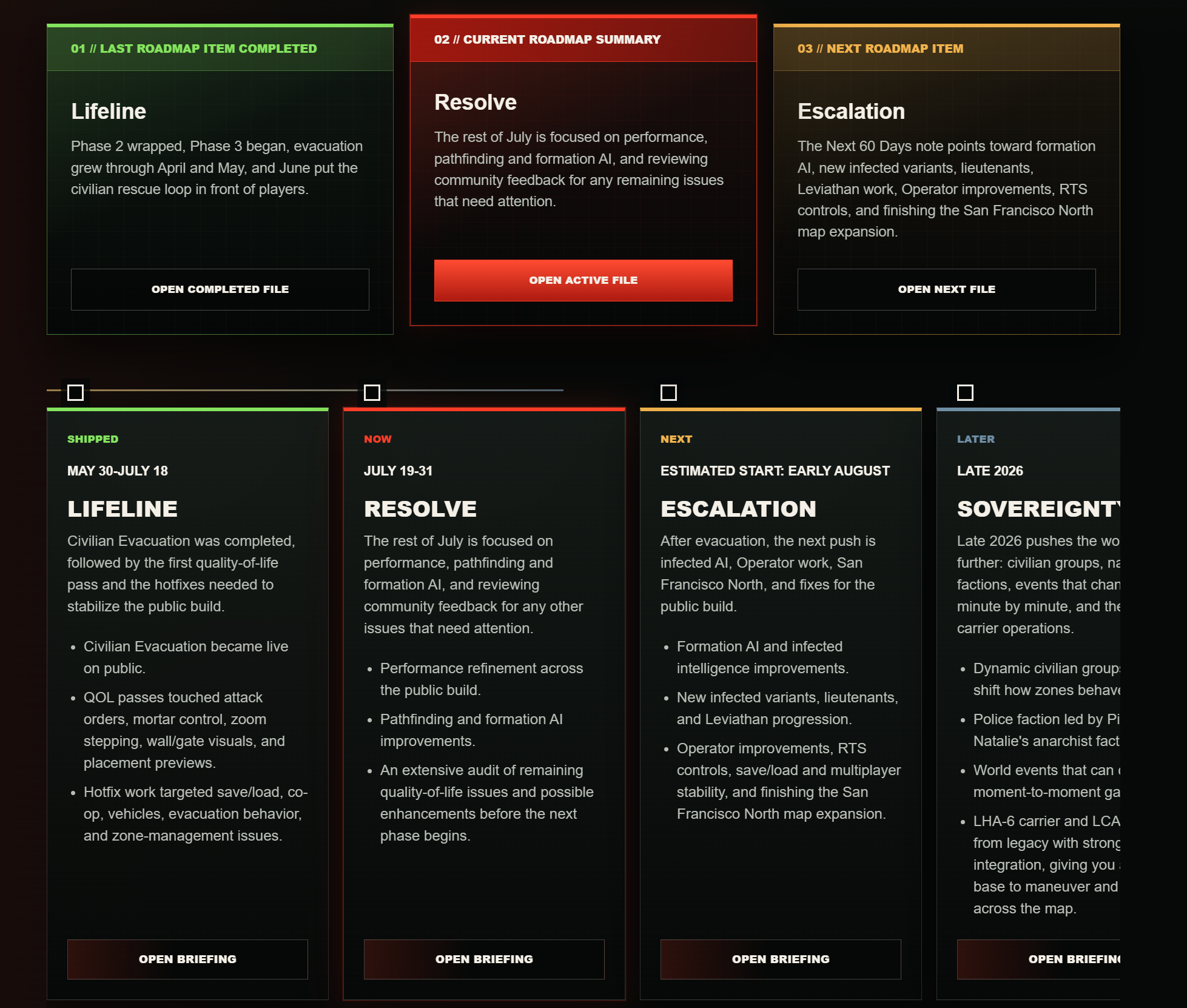
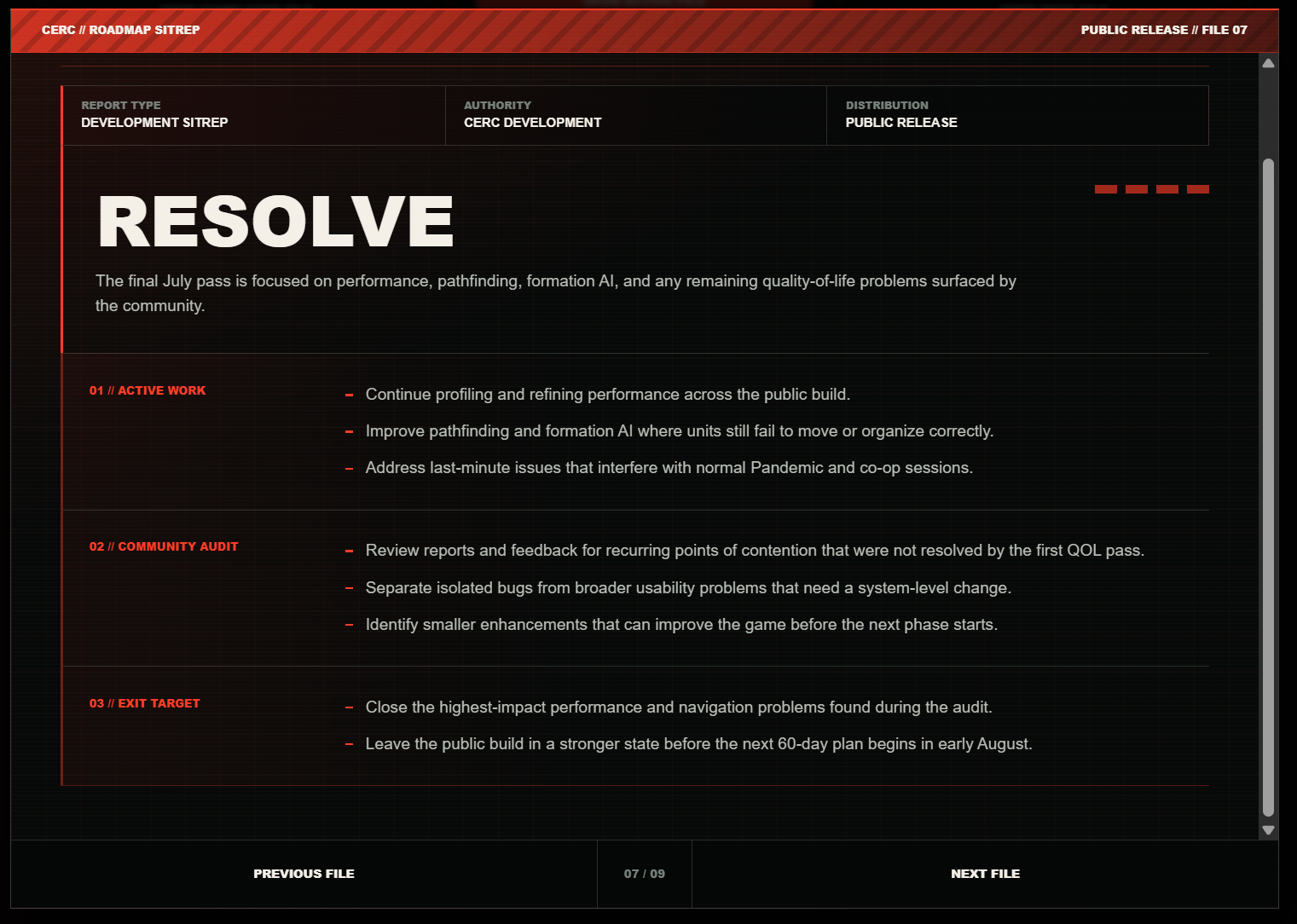
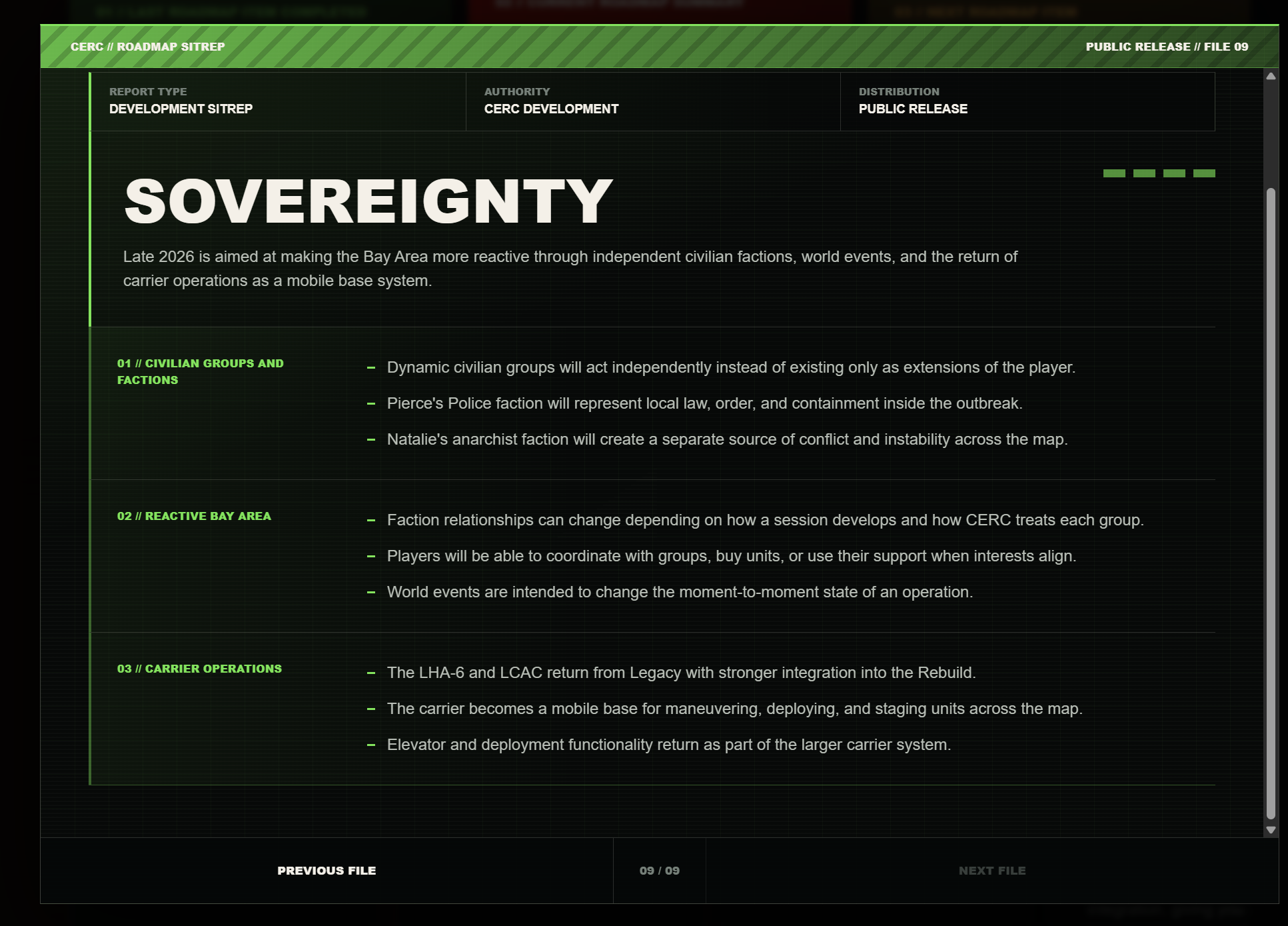
The screenshots below show the updated website and the way our current roadmap phases are being presented. The complete roadmap contains the full breakdown, but the immediate direction is summarized below.
Current Focus
Performance profiling and system scalability
Fog of war replacement and visibility improvements
Pathfinding and navigation edge cases
Selection controls and quality of life work
Would you want Workshop support for sharing base blueprint designs? Vote here!
Vehicle, turret, projectile, and visual effect optimization
Continued North San Francisco development
Coming Next
Infected intelligence and decision making
Improved behavior around defenses and complicated environments
Chelsey and primary hive improvements
New infected variants and lieutenant progression
Late game infected pressure and balance
Further custom game and difficulty controls
Operator control, driving, logistics, and vehicle interaction
Expanded tutorial and player onboarding
Later Development
Dynamic Civilian Groups and Sub Factions
World Events
LHA6 and LCAC
View the Full Cepheus Protocol Roadmap
CERC HQ Episode Summary
The latest CERC HQ focused on strengthening the technical foundation required for larger battles, smarter AI, and more reliable long term sessions. A significant amount of that work is already available on Experimental, with additional improvements scheduled throughout Tuesday and Wednesday. The episode covers the fog of war replacement, managed unit systems, projectile and visual effect optimization, vehicle and turret processing, landscape removal, pathfinding, North San Francisco, infected balance, new infected models, helicopter work, and the next phase of infected intelligence development. Watch the complete episode below for the full technical discussion and development breakdown. [dynamiclink href="https://youtu.be/xPP9sBKXGCE"]
CERC HQ Weekly Development Briefing
When: Saturdays at 7 PM EST CERC HQ is our weekly development briefing covering the latest builds, current development work, internal testing, community reports, technical challenges, and upcoming priorities. Each episode includes direct development footage, behind the scenes explanations, roadmap discussion, and a live community question and answer section.
Where to Watch
Previous Episodes
Thank you to everyone continuing to test Experimental, submit save files, and provide detailed feedback. Experimental is already substantially ahead of where it was only weeks ago, and those reports are helping us push the remaining systems even further.