New Tools, New Tactical Possibilities
Greetings, Operators. You enjoyed Helios' overview of the philosophy and vision behind Black One Blood Brothers' level design, so here's the second and final part. This time, let's explore how the migration to Unreal Engine 5.7 has impacted the game's level design.
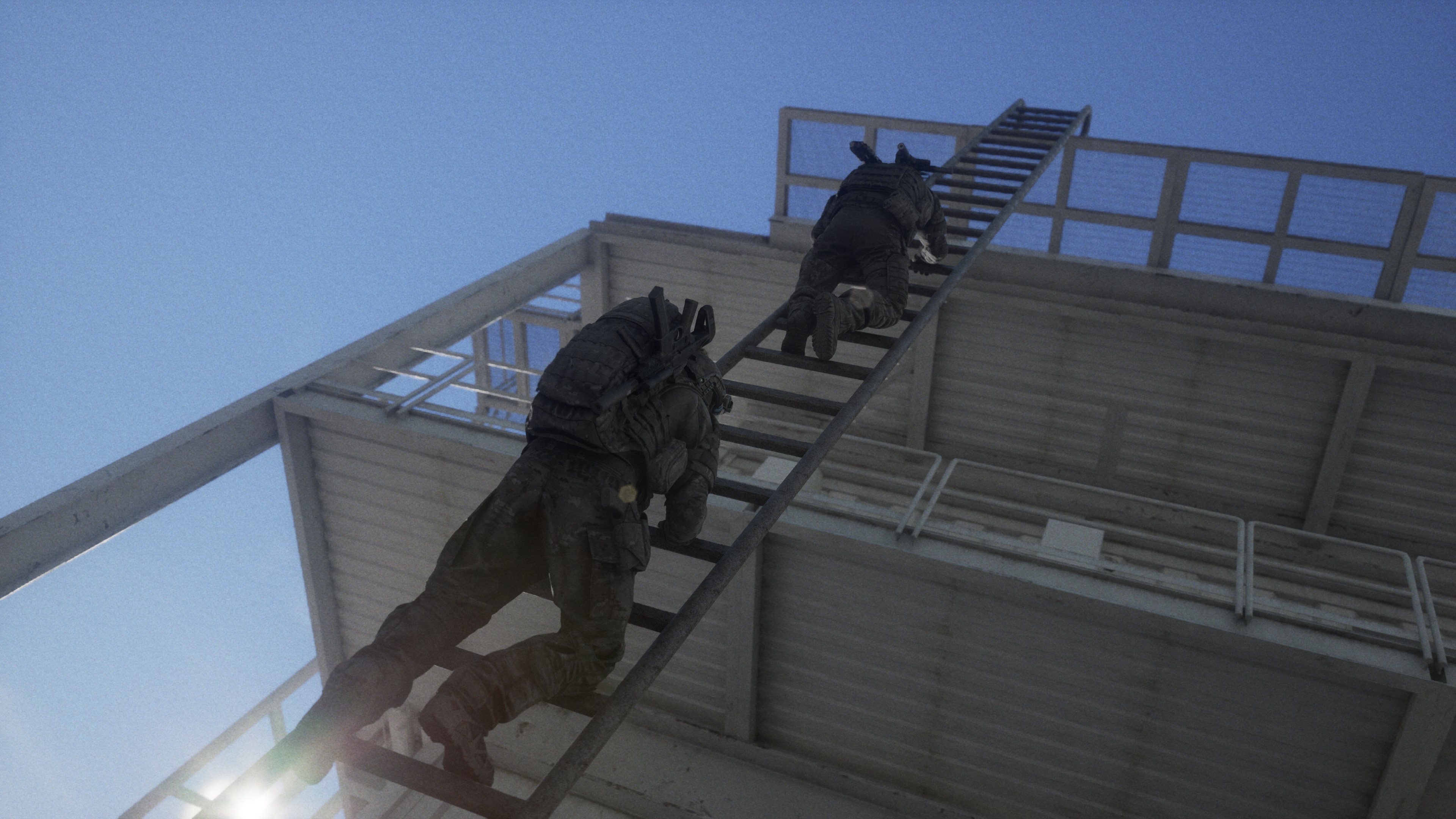
The migration to Unreal Engine 5.7 unlocked new possibilities and tactical tools for map design, including the addition of swimming and ladders, two features that had been highly requested by the community. These additions also required major underlying changes, because introducing more verticality and depth into level design means reworking the AI, pathfinding, and animation systems as well. The goal is to deliver new gameplay possibilities while maintaining an AI that feels coherent and immersive, capable of navigating these new environments naturally.

Learning From Past Maps
Changing level design is never a simple process. Since the beginning of development, many maps have been improved or completely rebuilt.
"My biggest mistake was probably creating areas that were sometimes too large or too ambitious at first. On paper, a huge map sounds exciting, but if it isn't tactically dense enough, it can end up feeling empty or exhausting. I've learned that a great map isn't necessarily the biggest one, it's the one that offers the best tactical decisions. Since then, I've preferred making maps denser and better rather than simply making them bigger."
Designing Better Tactical Spaces
One of the key principles of designing a great FPS map is offering more than one viable solution while finding the right balance between realism, gameplay, and fun. There's also Black One Blood Brothers' procedural design philosophy to consider. While each map contains fixed landmarks that experienced tacticians can learn and rely on, mission objectives are procedurally generated, ensuring that every deployment feels fresh and constantly encourages players to adapt.
The Importance of Polish
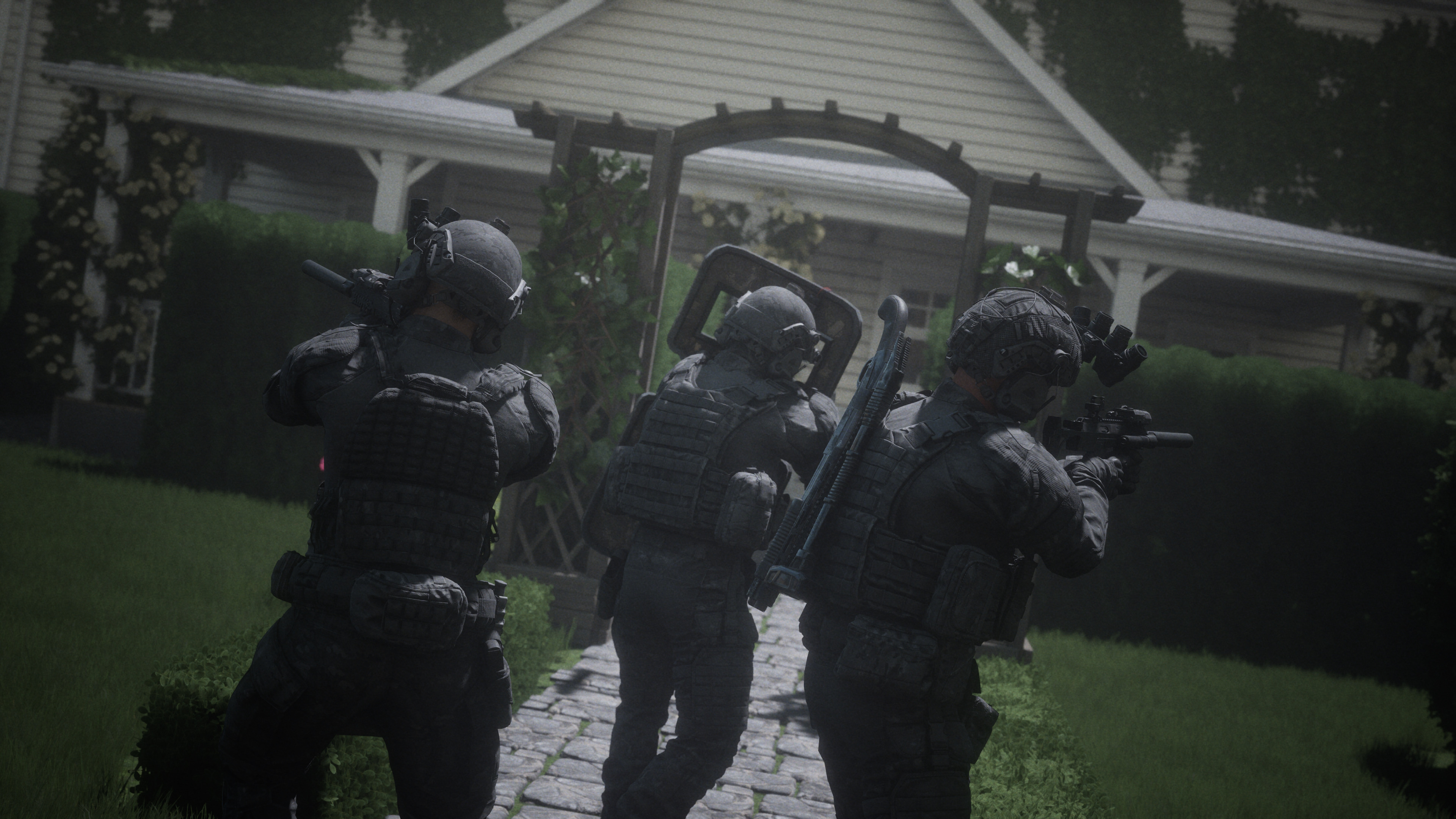
Finally comes the polishing phase, adding subtle environmental elements that guide players without relying on the HUD. Lighting, pathways, terrain, and countless silent visual cues help players naturally understand the map, identify key points of interest, build tactical awareness, and reinforce the feeling that these environments are truly alive. With this philosophy in mind, the Residential Area map has been completely redesigned, now featuring multiple houses, an actual street, and more varied vegetation. These additions create many new tactical opportunities for players, while also requiring careful work on enemy and mission spawn locations to ensure everything remains believable and cohesive.
Evolving Existing Maps
Thanks to technological improvements, accumulated experience, and community feedback, Black One Blood Brothers' level design has continued to evolve. "As the game evolves, some maps can be reimagined to take full advantage of the new mechanics." Gabriel Harbor is a perfect example, having undergone spectacular changes that players will discover in the next update. "The overhaul has made it much more interesting, immersive, and better suited to the game's new mechanics. One of the features I really leaned into is tactical swimming, allowing players to approach and assault both boats by swimming underwater."
Looking Ahead
As for the future of the game's maps, you can expect major improvements in the upcoming updates. Richer environments, more verticality, better interconnected layouts, and greater overall coherence are the goals Helios has set, whether by introducing entirely new maps or completely reworking existing ones.
What map would you like to see reworked next?