Hello everyone, I'm Ji Ling from ZeroCreation Games.
ZeroCreation Games' fourth title, "The Weeping Swan: Ten Days of the City's Fall", is scheduled for release in the first quarter of 2026.
As per tradition, this first making-of article will cover the game's inception.
When did I first conceive "The Weeping Swan"?
"The Weeping Swan" has two narrative frameworks—they must be examined and explained separately.
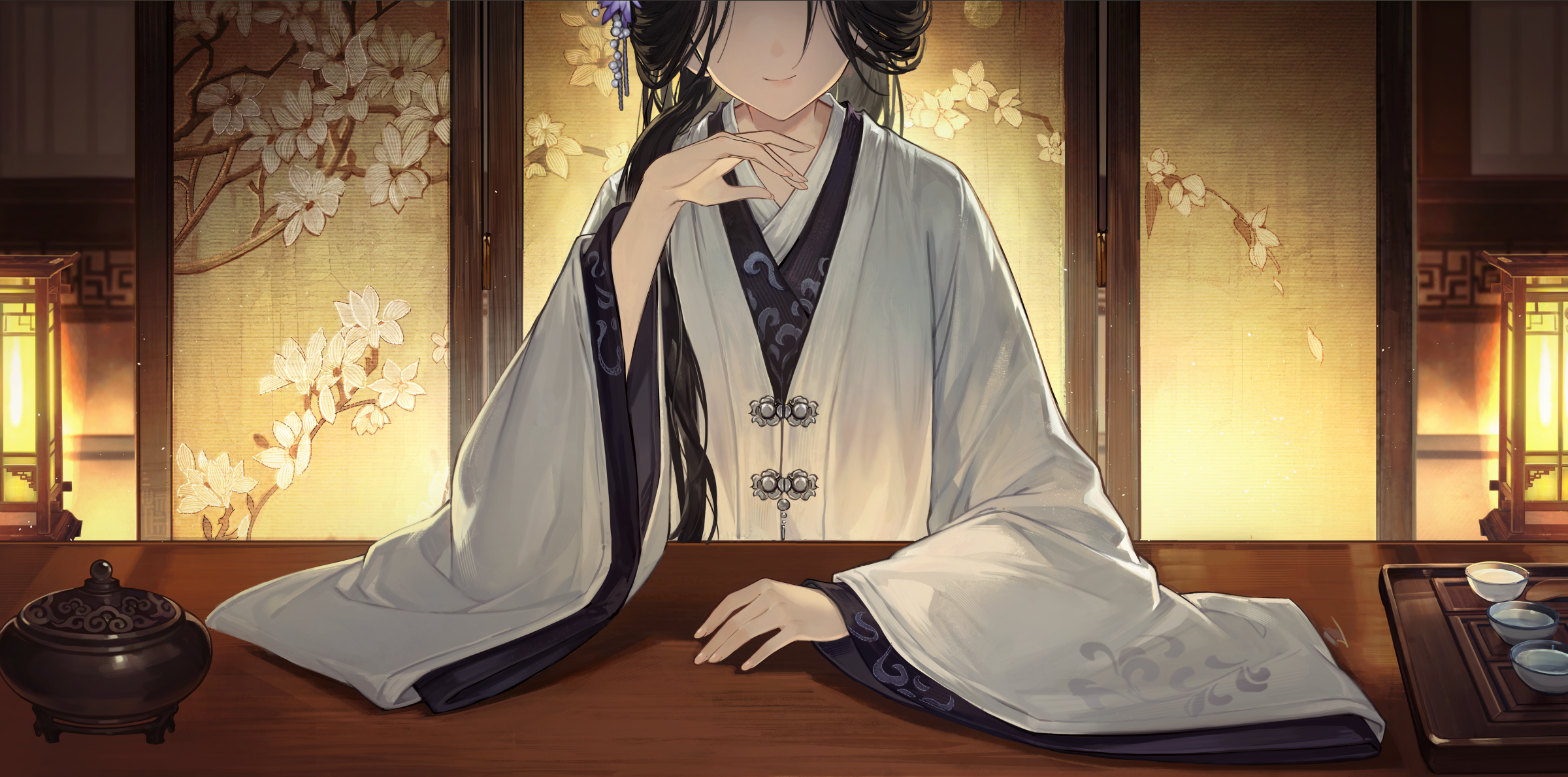
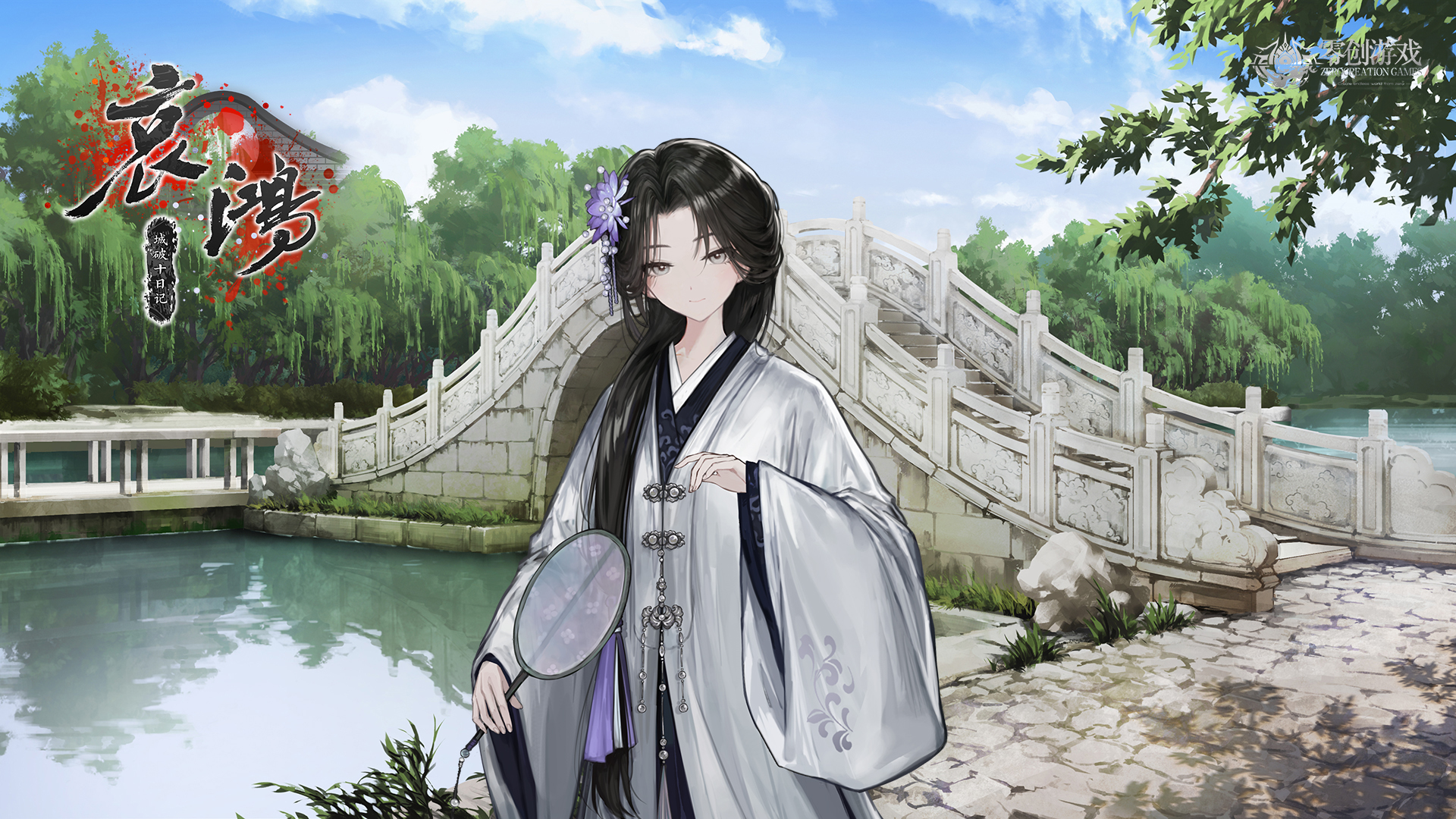
First, "The Weeping Swan" is a love story between a scholar and a courtesan—a tale of a talented scholar and a beautiful lady.
Such stories have existed since ancient times.
For centuries, works like "Strange Tales from a Chinese Studio", "Three Words and Two Slaps", and "Dream Memories of Tao'an"... Many dramas have been written on this theme.
In recent years, classical-style songs like "Difficult to Refuse" and "Peeking Through the Window" have also adopted this theme.
I've written several short scripts about scholar-courtesan romances, but never a full-length story on this theme, so I've always wanted to.
……
Oh, but it's worth noting that the term "courtesan" had a different meaning in ancient times.
In ancient times, "courtesan" generally referred to entertainers who sold their skills but not their bodies, while "prostitute" referred to those who earned a living by selling their bodies.
For "The Weeping Swan", I originally planned to write a story about a scholar and a Yangzhou courtesan.
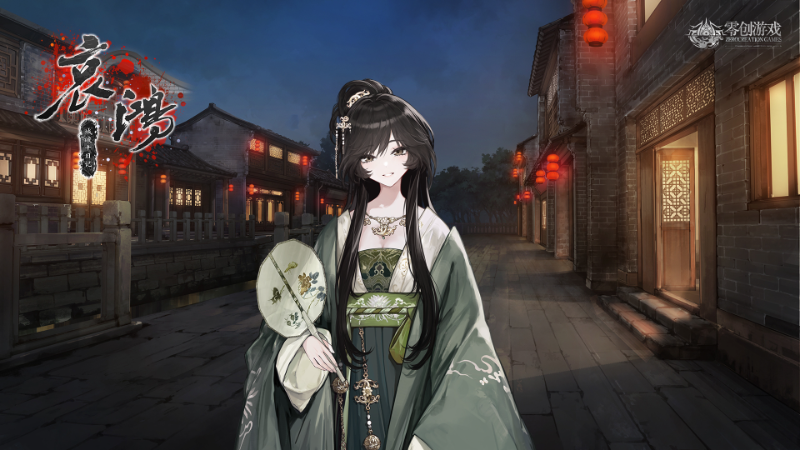
But as I wrote the script, I grew increasingly fond of a character who initially had only a dozen lines, a "prostitute", and she eventually became the second female lead.
This shifted the story from a "pure romance between scholar and courtesan" to a love triangle among "scholar, courtesan, and prostitute".
This is slightly off-topic; I'll elaborate on it in the second production discussion.
...
Returning to the main subject, I'll continue with the project proposal for The Weeping Swan.
"The Weeping Swan" is not just a love triangle among "scholar, courtesan, and prostitute", but rather a serious historical tragedy based on factual events.
This historical tragedy portrays dynastic transition, a shattered homeland, and recounts the massacre of hundreds of thousands of civilians.
During the creation of "The Weeping Swan", I read "History of Peasant Wars in Late Ming", which significantly aided my writing process.
Following the release of "The Weeping Swan", I read "The History of Southern Ming".
After reading "The History of Southern Ming", I proceeded to read "Dream Memories of Tao'an", further deepening my understanding of the dynastic transition during that era.
China is a vast country with significant differences between its northern and southern regions. Even in the late Ming Dynasty, one could craft many stories with distinct flavors.
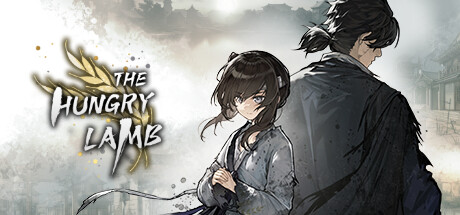
For the story of the Northwest Central Plains, I narrated "The Hungry Lamb: Travelling in the Late Ming Dynasty", whose theme relates to "famine".
Then perhaps I could also create a story about Jiangnan.
I plan to produce "The Weeping Swan: Ten Days of the City's Fall", this time focusing on "massacre".
……
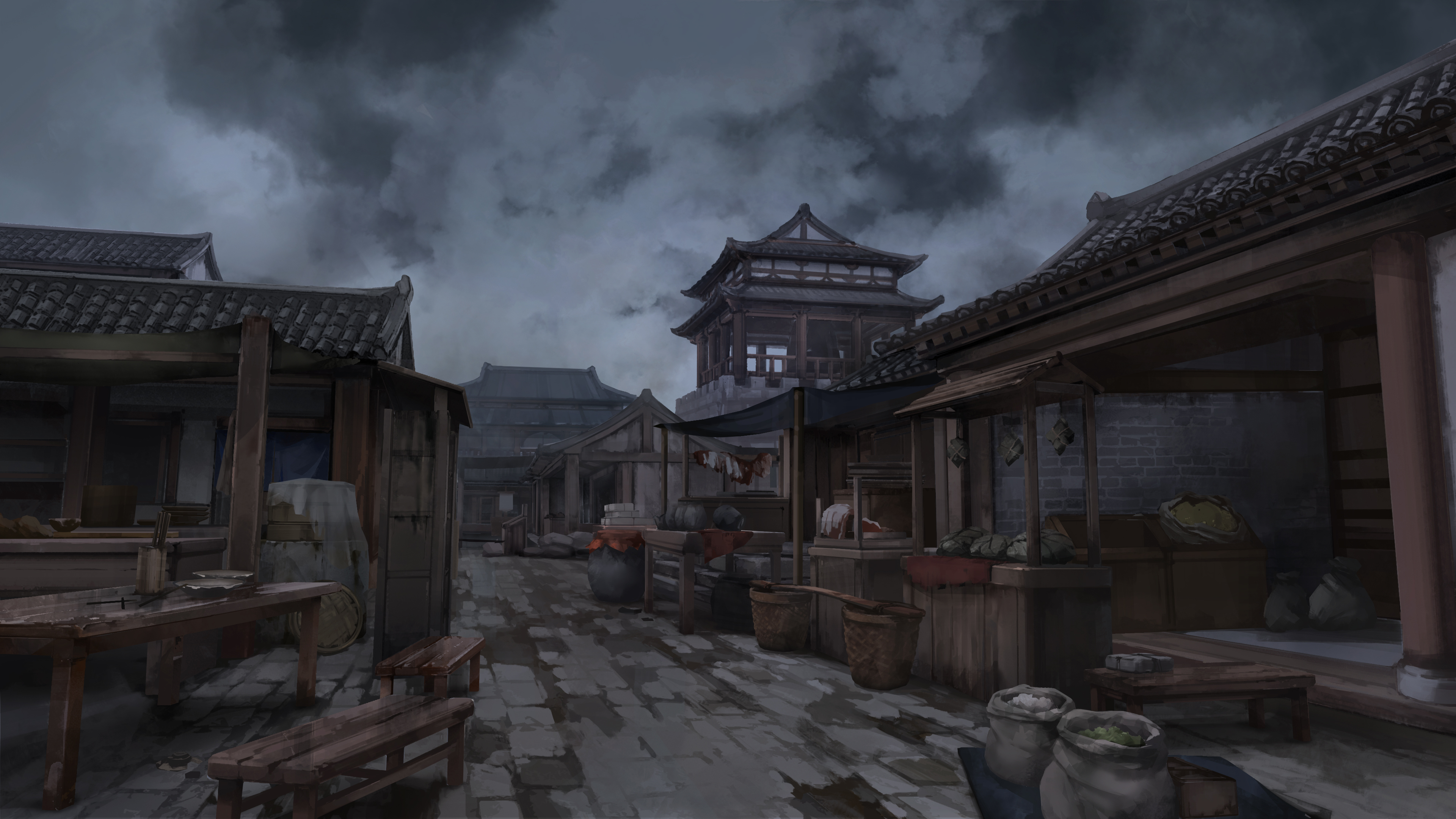
Like "The Hungry Lamb", "The Weeping Swan" will ground itself in the perspective of ordinary people, immersing players as a commoner in a late Ming Dynasty city ravaged by massacre. Through his first-person viewpoint, players will experience the story, make relentless choices, and struggle to survive until the swords are sheathed.
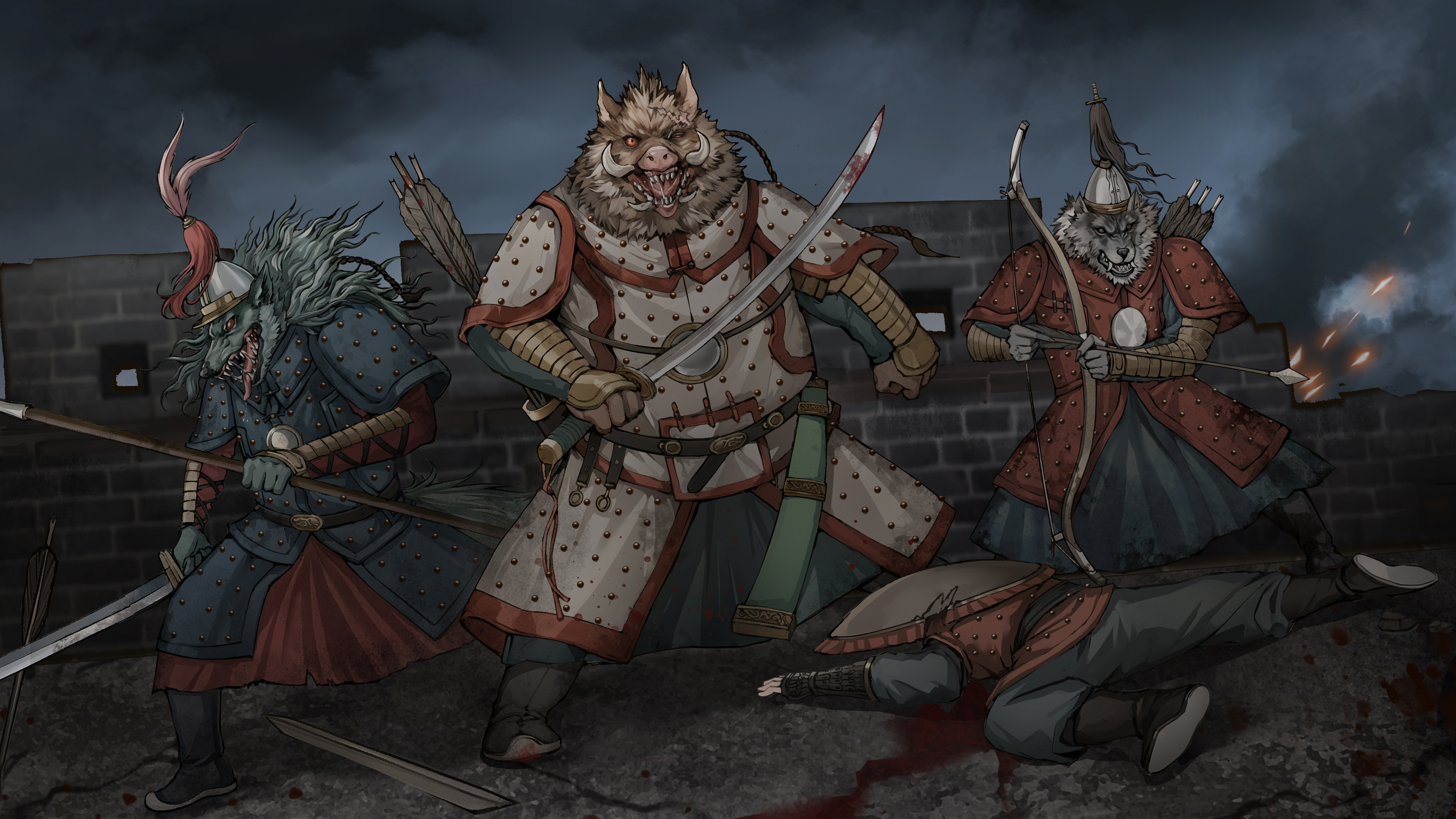
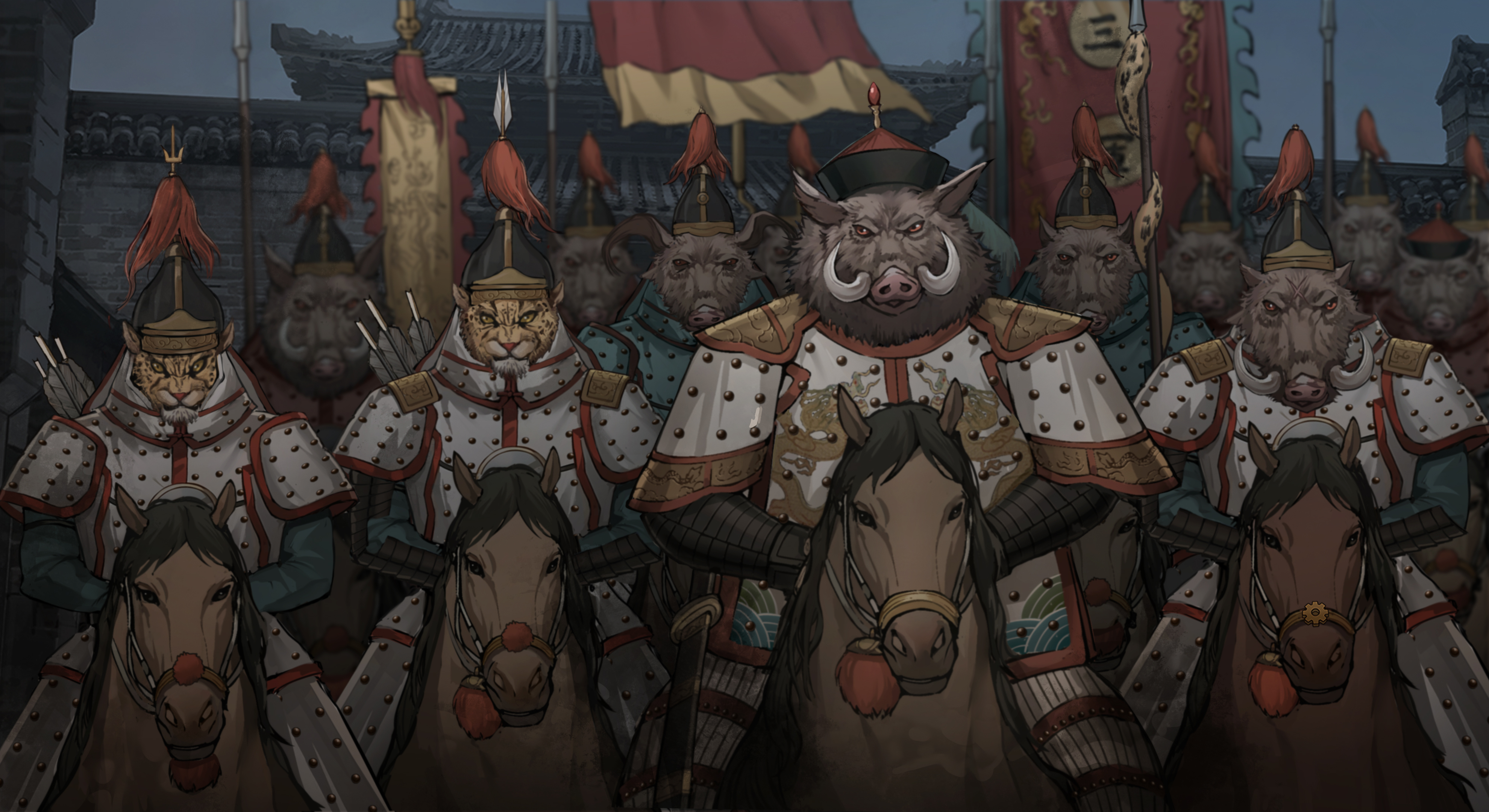
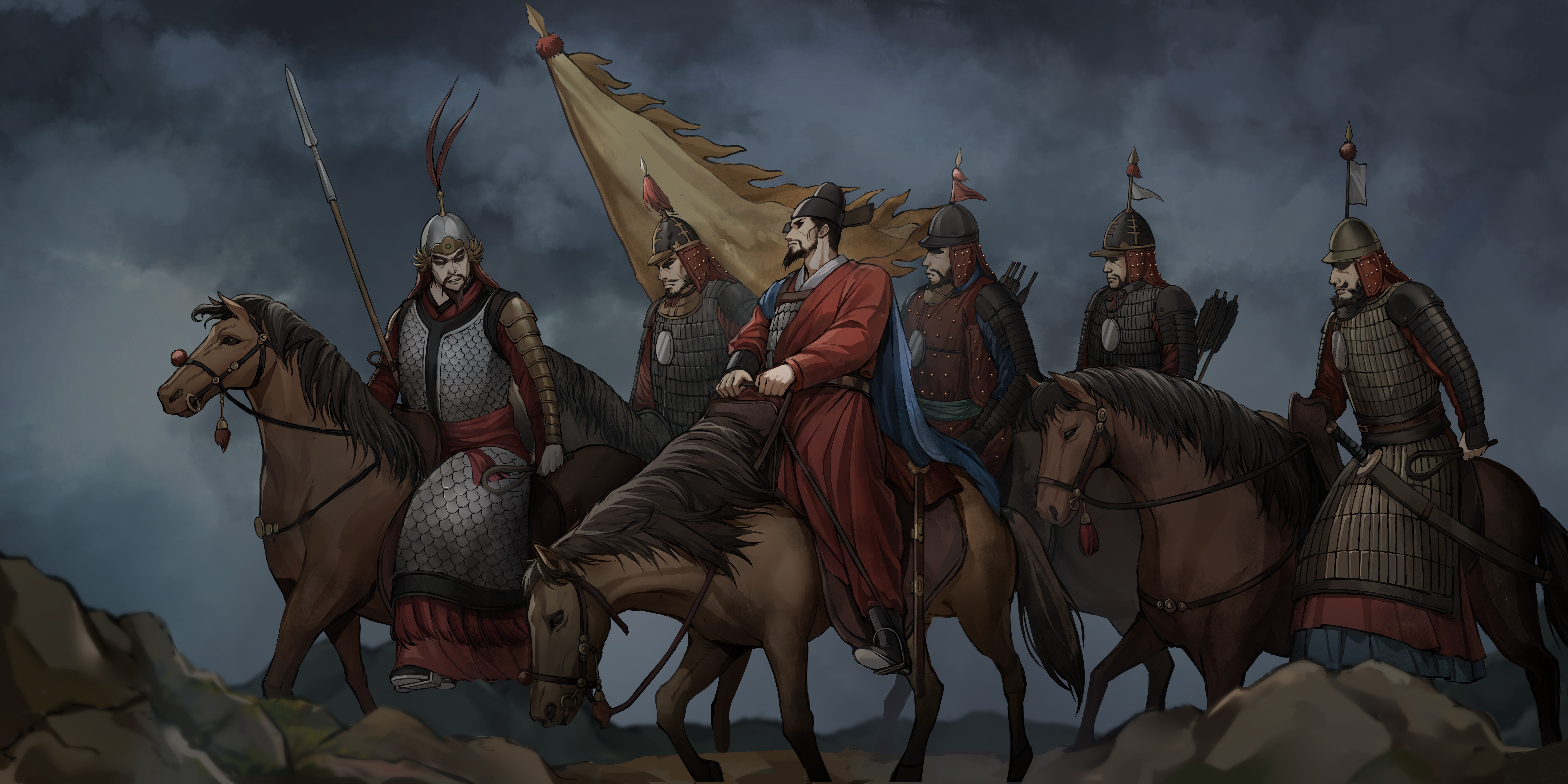
This story, like "The Hungry Lamb", will use dual narratives to enhance contrast.
Players will simultaneously navigate the dark and brutal "city massacre line", while repeatedly recalling the opulent Jiangnan of years past—untouched by slaughter—evoking a powerful contrast between past and present, heightening the narrative's emotional impact.
...
Of course, as evident from the store page description of "The Weeping Swan", I've gone beyond just using a dual narrative technique in this game, while also giving the protagonist "madness" as a trait, suggesting the entire story might be nothing more than the protagonist's hallucination of "Lion Camel Kingdom".
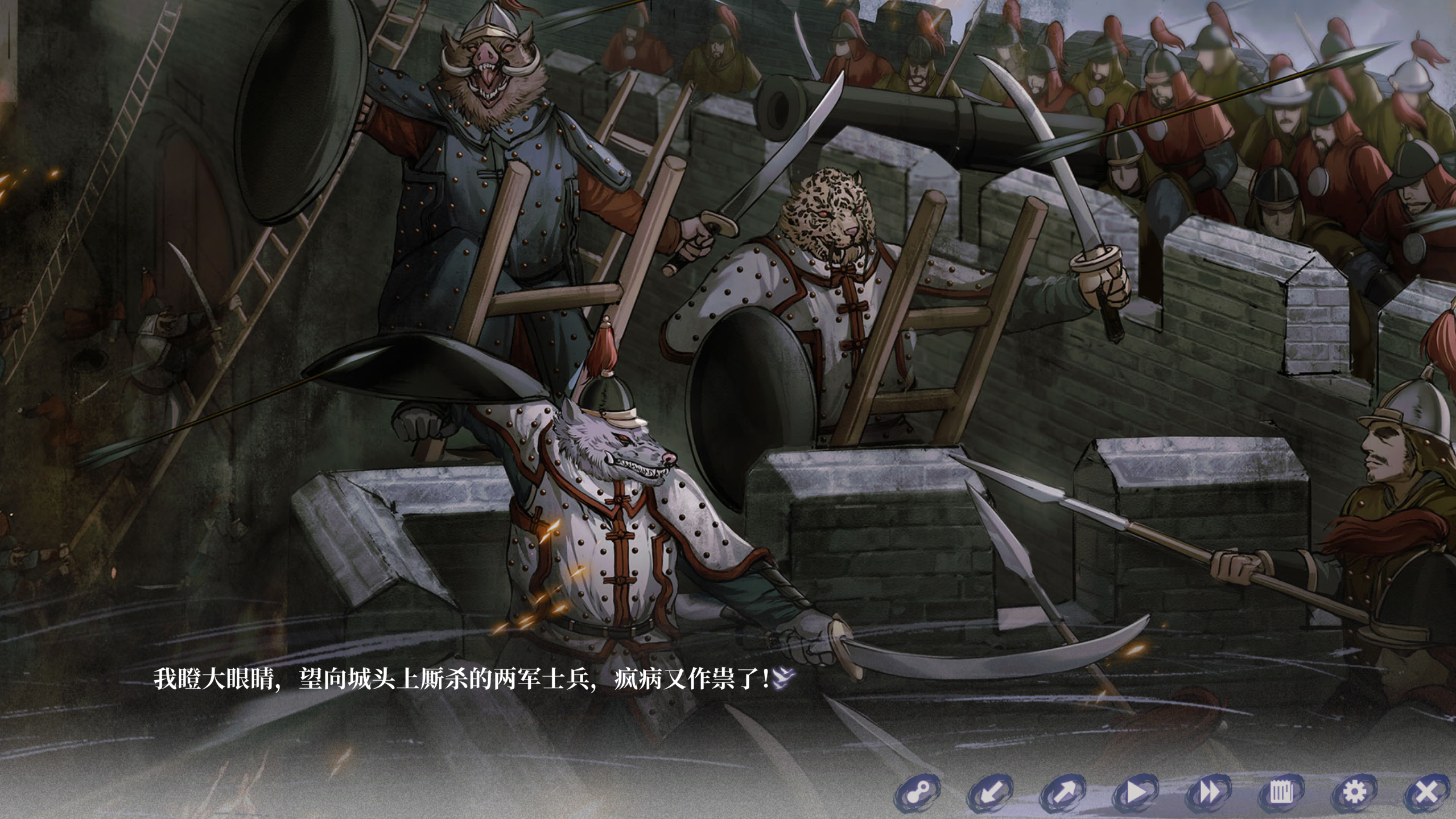
Bold, daring creations inevitably face resistance, and I accept that as part of the risk.
Still, to at least bring the work to light, I've had to adapt and act more shrewdly.
"The Weeping Swan: Ten Days of the City's Fall" will continue to tell historically grounded, soulful, and profound stories, but we must draw on ancient wisdom and employ unique narrative techniques to avoid becoming a political target.
I want to write about a city's massacre during the Ming-Qing transition.
In a modern society that has overthrown feudal dynasties, cultural works should not merely depict "Qianlong's tour of Jiangnan", but must also portray "Dodo's slaughter in Jiangnan".
There's no need to whitewash the atrocities of any feudal regime.
"The Hungry Lamb: Travelling in the Late Ming Dynasty" exemplifies this approach to the Ming dynasty's final years.
"The Weeping Swan: Ten Days of the City's Fall" reflects the same reality in the early Qing dynasty.
I aim to be an impartial creator—one who cherishes Chinese culture, yet opposes feudal dynasties.
Dark history is the path our ancestors walked—not a shackle for those living today.
We must confront them with clarity—no concealment, no confusion, and no turning back.
...
After all this, you may ask:
What is the core message of "The Weeping Swan: Ten Days of the City's Fall", or what does it seek to convey?
First, as Wang Xiuchu, author of "Ten Days of Yangzhou", concluded in his work:
May future generations, fortunate to live in peaceful times and enjoy untroubled pleasures, yet fail to cultivate self-reflection and indulge in reckless waste, read this and feel a sense of vigilance.
Like Wang Xiuchu, I hope to craft stories forged in blades, blood, and darkness, reminding people today of how precious peace truly is.
Second, I aim to show how "Culture" flows and is passed down through the long river of history.
Many plotlines in "The Weeping Swan" intertwine with numerous literary classics from the Ming and Qing dynasties.
Works like "Journey to the West", "The Plum in the Golden Vase", "Romance of the Three Kingdoms", "Water Margin", "Strange Tales from a Chinese Studio", "Three Words and Two Slaps", and "Dream of the Red Chamber" are all referenced, with two even serving as the titles for the "True Endings", directly tied to the finale.
Dynasties may change, but culture endures.
Third, it embodies a kind of "keep moving forward, don't look back" philosophy, conveying a traditional Chinese aesthetic of "clearing clouds to see the sun" that I want to express. Without going into detail, I hope players who reach the true ending will feel this essence.
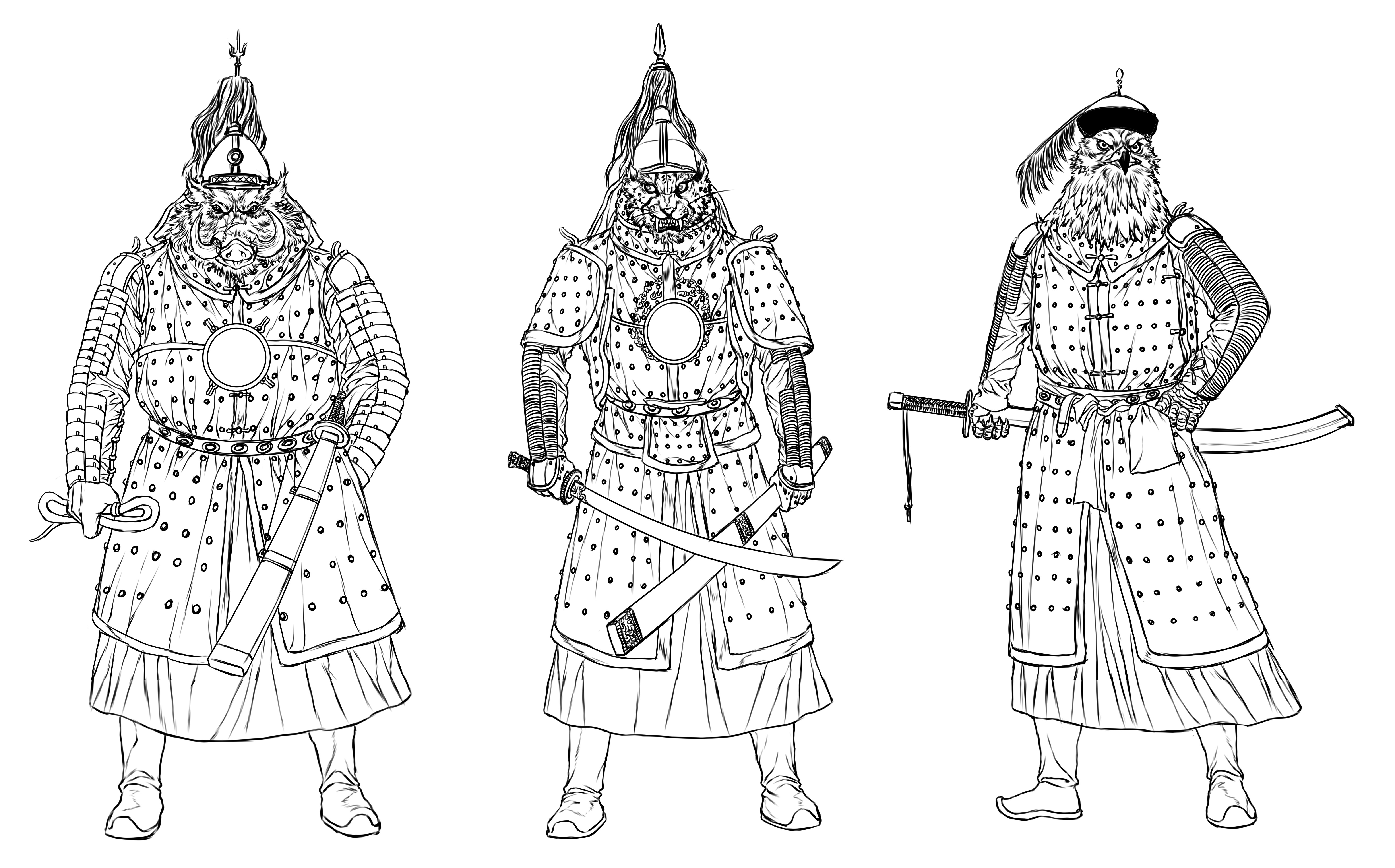
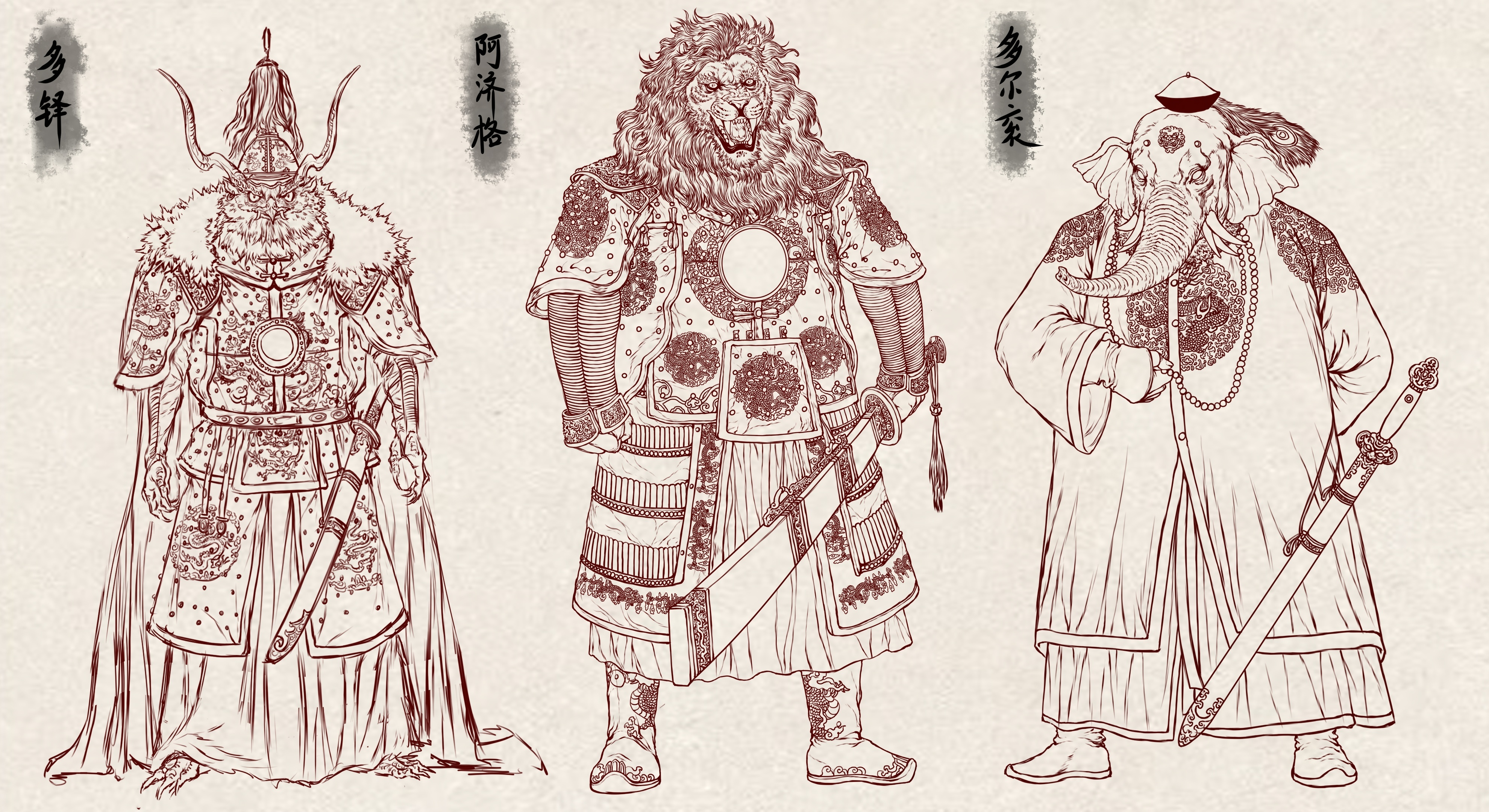
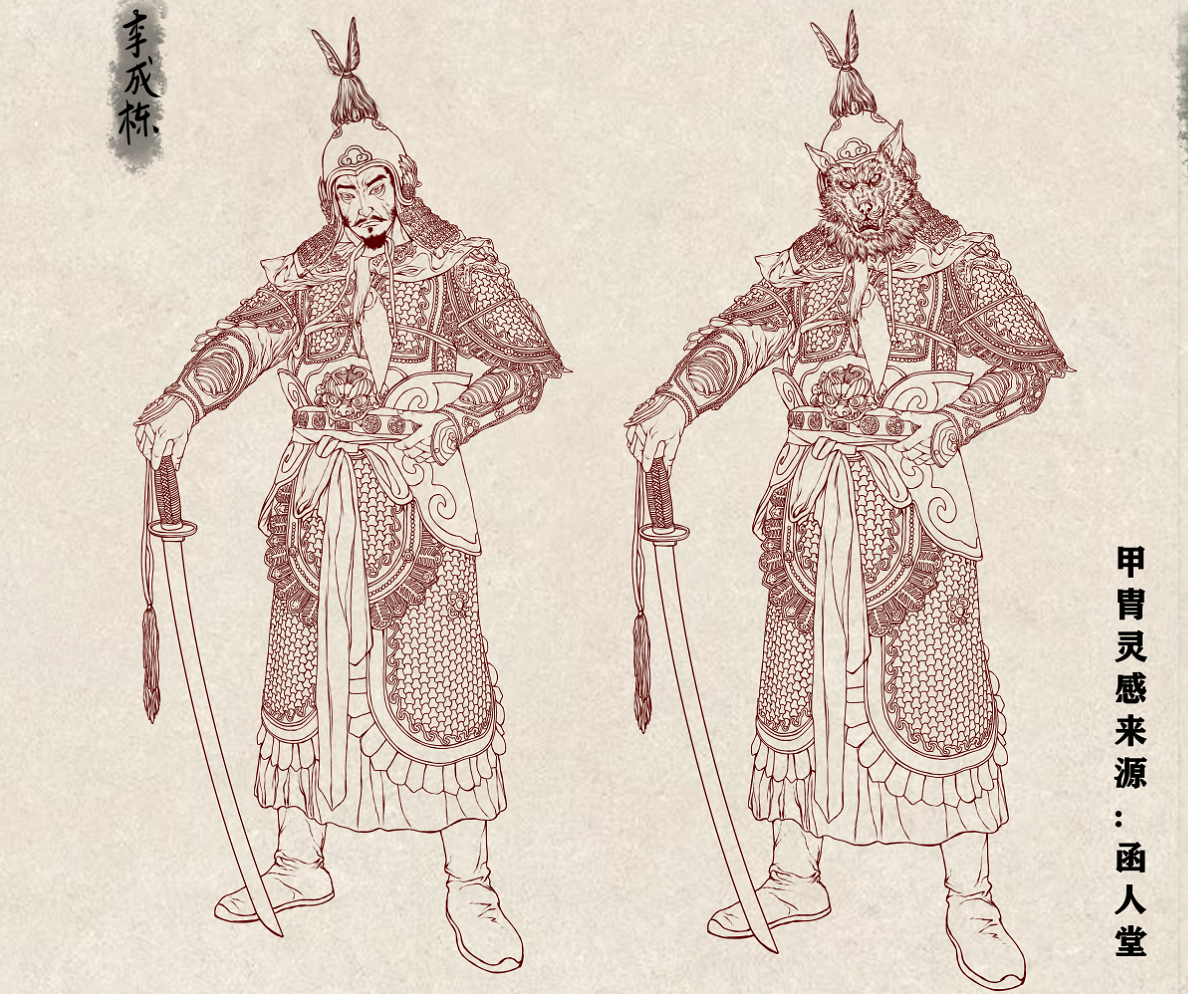
……
Alright! That wraps up this episode's discussion. Next time, I'll probably delve into the dual-heroine setup of "The Weeping Swan"—how the second heroine, Lin Pianpian, took over my writing and reshaped my original plot, and evolved from an NPC into a second lead.
As of July 2025, all scripts for "The Weeping Swan: Ten Days of the City's Fall" have been completed, including Liang and Sui's standalone chapter, bringing the total to nearly 370,000 words—1.5 times the length of "The Hungry Lamb".
Furthermore, we will expand scenes, add voice acting, include CG, and incorporate additional music, striving to surpass our past work and set a new benchmark for Chinese text adventure games!
Further updates to follow.
"The Weeping Swan: Ten Days of the City's Fall" is now live on Steam! Please add it to your wishlist—your support means everything to us!